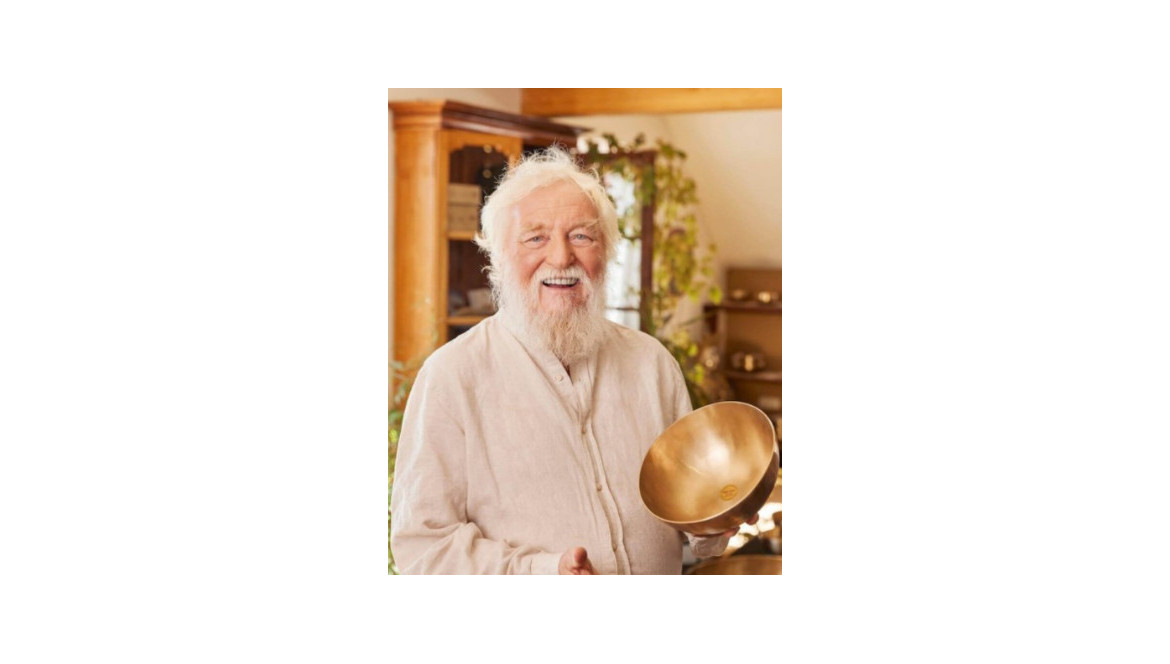
Peter Hess: Sound Healing Pioneer and the Evolution of His Singing Bowls
This in-depth article explores Peter Hess’s role in the modern development of sound healing, clarifying his true contribution to the field. It examines the origins of the Peter Hess Sound Massage, the establishment of structured training and certification systems, and the distinction between sound healing methodology and traditional singing bowl craftsmanship. The article also traces the early use of Nepali singing bowls, the later shift to Indian production for scalability, and explains why the term “Peter Hess singing bowls” is often misunderstood. Ideal for practitioners, therapists, and informed buyers seeking a clear, factual understanding of Peter Hess sound healing, singing bowls, and sound massage systems.
Peter Hess and the Modern Development of Sound Healing
Peter Hess is widely recognized as one of the most influential figures in the modern development of sound healing. His work played a major role in introducing singing bowls into therapeutic, educational, and wellness environments across Europe and beyond. Through structured methods, professional training programs, and international certification, he helped transform sound healing from an informal practice into a recognized therapeutic approach.
At the same time, Peter Hess’s name is often closely associated with singing bowls themselves. This has led many people to assume that he is also a traditional singing bowl maker. In reality, his primary contribution lies in methodology, education, and system design, rather than in the physical crafting of the instruments.
To understand Peter Hess’s role accurately, it is essential to distinguish between sound healing systems and singing bowl craftsmanship. This article offers a balanced examination of his background, the development of the Peter Hess Sound Massage, and how the bowls associated with his work came to be produced.
Peter Hess’s Background and Contributions to Sound Healing
Peter Hess began his work with sound in the 1980s, at a time when sound-based therapeutic practices were largely intuitive and not widely recognized in professional contexts. Influenced by engineering, education, and systematic observation, he approached sound healing with a strong emphasis on structure, safety, and repeatability.
One of his most significant contributions was the establishment of the Peter Hess® Sound Massage School, later expanded into the Peter Hess® Institute. Through this institution, sound massage was formalized into a structured educational system with defined techniques, application principles, and practitioner training pathways.
The Peter Hess® Institute helped standardize sound massage practice by offering internationally recognized certification programs, clear ethical guidelines, and consistent teaching methods. This institutional framework allowed sound healing to be introduced into wellness centers, therapeutic practices, and educational environments in a way that was accessible, professional, and reproducible.
By creating an organized system around sound healing, Peter Hess played a key role in giving the practice credibility and continuity, particularly in Western contexts where structured methodologies are often required for wider acceptance.
The Development of the Peter Hess Sound Massage
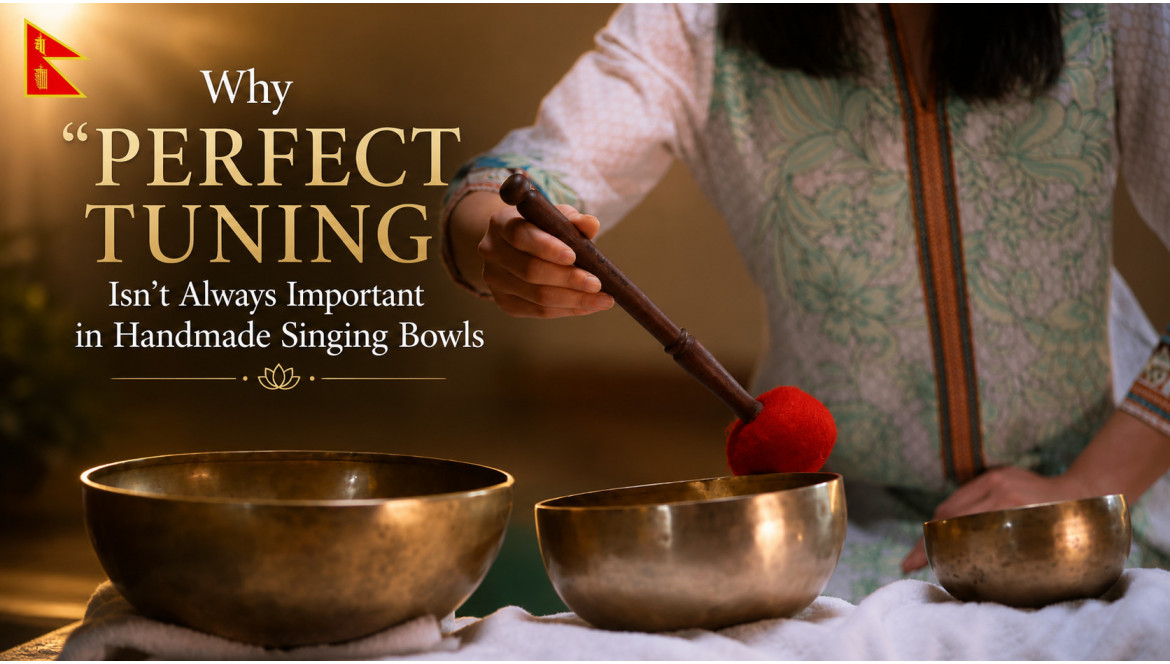
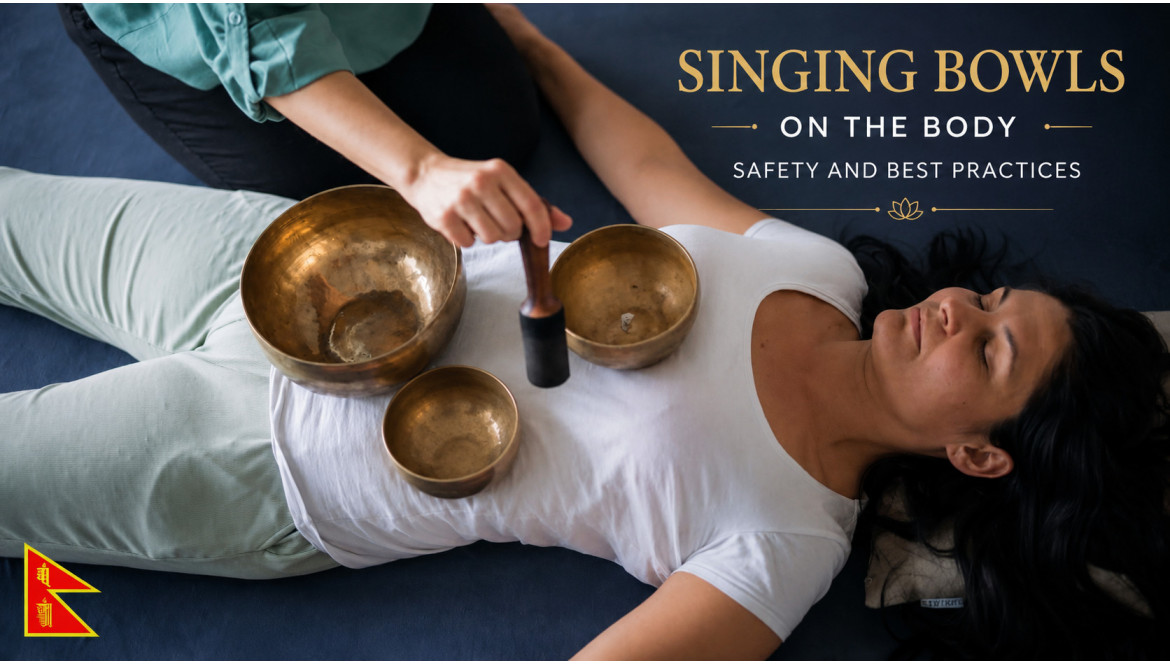
The Peter Hess Sound Massage is one of the most widely known sound-based therapeutic methods in the world. It was developed as a gentle, structured approach in which singing bowls are placed on and around the body to create subtle vibrations that support deep relaxation.
- Controlled and predictable sound application to avoid overstimulation
- Specific singing bowl placements for optimal vibrational effects
- A structured sequence that supports deep relaxation and self-regulation
The method emphasizes safety, grounding, and repeatability, making it suitable for a wide range of applications including stress reduction, relaxation therapy, and supportive wellness practices. As interest in the method grew, so did the demand for professional training and for instruments that could be supplied consistently across different countries.
Early Collaboration with Nepali Artisans
In the early stages of developing his sound massage work, Peter Hess collaborated with master artisans in Nepal, including Santa Ratna Shakya. Nepali singing bowls were selected because of their exceptional acoustic and vibrational qualities.
- Rich tonal overtones and stable resonance
- Deep vibrational quality suitable for therapeutic use
- Handcrafted precision and high-quality metallurgy
These traditional Nepali singing bowls played an important role in shaping the early sound environment of the Peter Hess Sound Massage. However, their time-intensive production process and higher cost made large-scale international distribution difficult as demand increased.
The Shift to India and Scalable Production
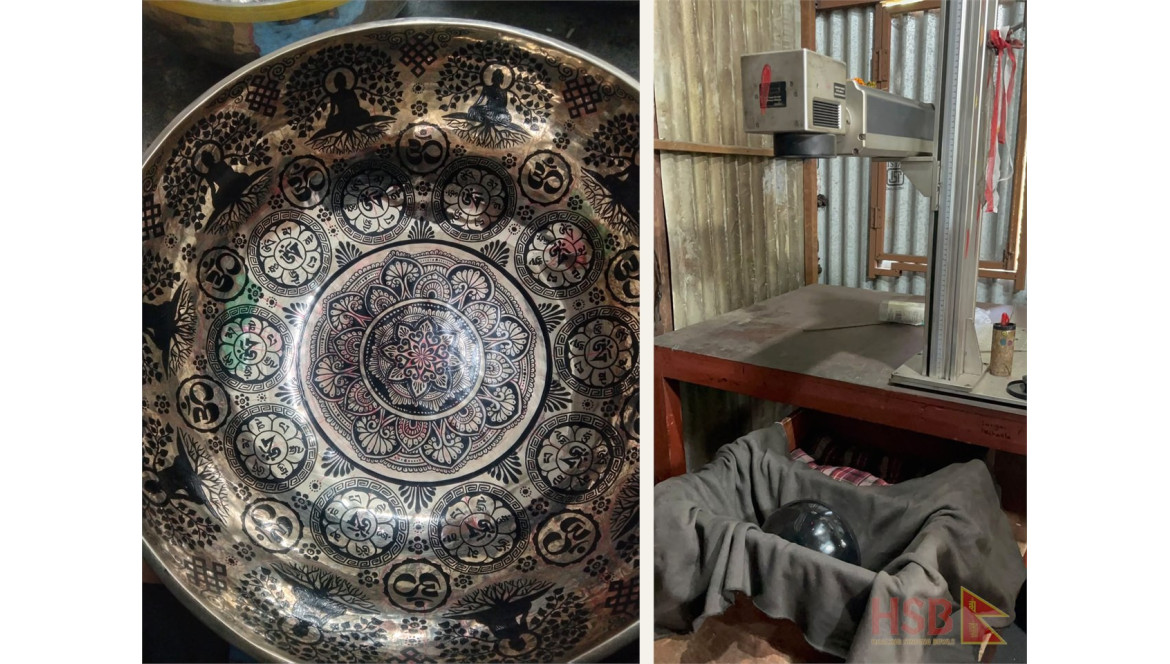
As demand for the Peter Hess Sound Massage expanded globally, production gradually shifted to India. This transition allowed singing bowls to be produced at a lower cost and in larger quantities, supporting international training programs and broader accessibility.
While Indian-made bowls are generally more affordable, they do not match the craftsmanship or acoustic complexity of traditional Nepali bowls.
- Nepali singing bowls: rich overtones, complex vibrational depth, handcrafted precision, high-quality alloys
- Indian singing bowls: cost-efficient, mass-produced, consistent sizing, reduced tonal complexity
The shift to Indian production was driven primarily by practical considerations of scalability and affordability, rather than by sound quality alone.
Understanding the Term “Peter Hess Singing Bowls”
The phrase “Peter Hess singing bowls” is widely used, but it can be misleading. Peter Hess is not a traditional singing bowl maker and does not personally craft the instruments associated with his method.
His contribution lies in the creation of a structured sound healing system that uses singing bowls as therapeutic tools. The bowls themselves are outsourced products designed to meet the practical requirements of standardized training and application.
Understanding this distinction helps practitioners and buyers clearly differentiate between method-based instruments and traditional artisan-crafted singing bowls.
Method Versus Craft: Different Priorities in Sound Healing
Traditional singing bowl craftsmanship values individuality, regional sound character, and acoustic nuance developed through generations of artisan knowledge. Each bowl is unique, and variation is an essential part of its identity.
In contrast, structured sound healing systems prioritize consistency, predictability, and ease of practitioner training. Instruments are selected or produced to behave reliably within defined parameters.
Both approaches serve valid but different purposes. Confusion arises only when system-based instruments are assumed to represent the same values as traditional handcrafted bowls.
Conclusion
Peter Hess has made a lasting contribution to the field of sound healing through education, methodology, and institutional development. By creating the Peter Hess Sound Massage and establishing a global training infrastructure, he helped bring sound-based relaxation practices into mainstream awareness.
At the same time, the singing bowls associated with his work are the result of outsourced production chosen to support accessibility and scalability. Understanding this context allows practitioners and buyers to make informed decisions based on their priorities—whether they value structured systems, traditional craftsmanship, or a balance of both.
By clearly separating sound healing methodology from instrument making, discussions around Peter Hess become more accurate, respectful, and grounded in reality.
In Same Category
- Recent Update on the Landscape of Singing Bowl Manufactures in Nepal
- Small 5th Octave OM Singing Bowl Set | C5–B5 (523–988 Hz)
- Sunya Bowl by Santa Ratna Shakya – The Sleep-Inducing Stupa Bowl
- The Nirvana Singing Bowl by Santa Ratna Shakya
- Why Double Hammering Matters: The Secret to Superior Singing Bowl Sound Quality
Comments
No comment at this time!
Leave your comment