


Eye Therapy with Sound Healing: Singing Bowls for Relaxation & Wellness
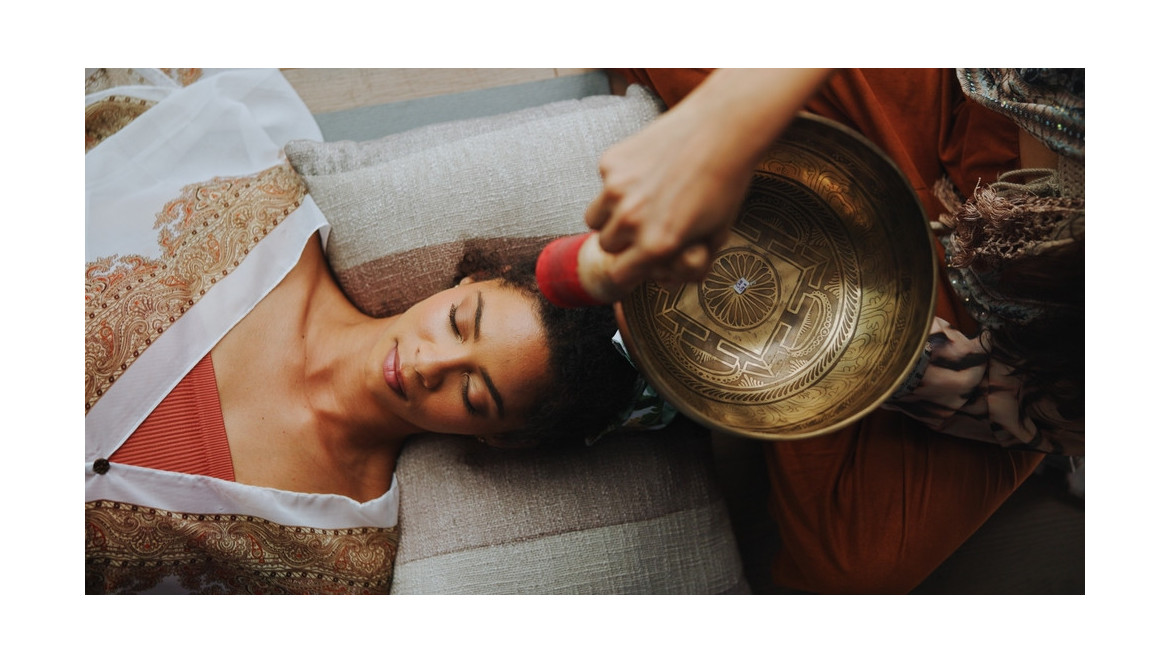
Eye-focused singing-bowl sessions are presented here as a relaxation practice associated with Santa Ratna Shakya—not as eye treatment. Learn the evidence limits and essential safety rules.
Eye-focused sound sessions are a wellness practice in which a practitioner uses gentle singing-bowl tones to create a calm listening environment. At HSB, this page documents an approach associated with Santa Ratna Shakya. It is presented as a relaxation ritual—not as eye treatment, vision therapy, or a substitute for professional care.
What this practice is—and is not
Some practitioners play a small bowl at a comfortable distance from a resting participant, sometimes alongside breathing, silence, or a gentle facial-relaxation exercise. People may describe the experience as calming or meditative. Those personal reports do not show that bowl sound changes eye pressure, improves eyesight, treats dry eye, repairs ocular tissue, or cures an eye condition.
The distinction matters because the eye is delicate. The US National Eye Institute explains that pressure inside the eye is a clinical measurement linked to optic-nerve health. It cannot be assessed from a feeling of relaxation and should be evaluated by an eye-care professional.
What research on singing bowls can reasonably say
Research has examined singing-bowl sessions mainly in relation to relaxation, mood, and anxiety—not the treatment of eye disease. A small randomized study found lower self-reported anxiety after a single singing-bowl session, while a 2020 systematic review concluded that the evidence base was too limited and at risk of bias to recommend singing-bowl therapies clinically. A newer review describes potential well-being benefits but also emphasizes the heterogeneity of the studies and the need for stronger trials.
- Randomized study on acute anxiety and relaxation
- 2020 systematic review of singing-bowl research
- 2025 systematic review of potential health and well-being effects
These studies do not establish a benefit for eyesight, the visual cortex, eye muscles, glaucoma, retinal conditions, or post-surgical recovery.
A safer relaxation format
- Sit or lie down comfortably in a quiet space.
- Keep the bowl on a stable surface and away from the face.
- Play softly at a comfortable volume; stop immediately if the sound feels unpleasant, painful, or disorienting.
- Let the sound fade naturally and rest in silence between tones.
- If you wish, combine the listening with slow breathing or consciously relaxing the forehead and jaw—without pressing or massaging the eyes.
Who should seek medical guidance first?
Ask your optometrist or ophthalmologist before trying any face-adjacent vibration practice if you have had recent eye surgery or injury, glaucoma or high intraocular pressure, a retinal condition, severe myopia, unexplained eye pain, or changing vision. A wellness practitioner cannot diagnose these conditions.
Santa Ratna Shakya’s place in this tradition
Santa Ratna Shakya’s work belongs to a practitioner tradition in which sound, attentive listening, and ritual are used to support a subjective sense of rest. HSB preserves that cultural and practical context while distinguishing it from clinical evidence. The appropriate claim is modest: a carefully delivered sound session may feel relaxing. It should never be described as treatment for an eye disorder.
Medical disclaimer: This article is for cultural and general wellness information only. It is not medical advice, diagnosis, or treatment. Do not delay or replace professional eye care because of a sound-healing practice.
In Same Category
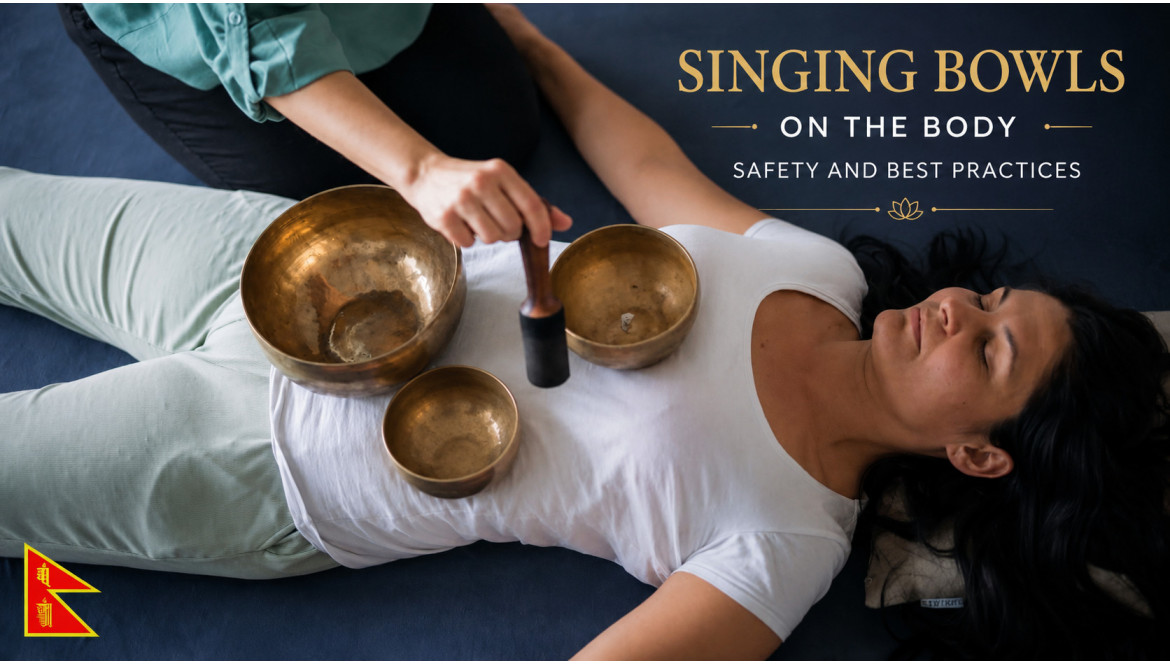
- Can You Place Singing Bowls on the Body? Safety and Best Practice
- Om Sajan Healing Center and Museum: Inside Kathmandu's Three-Floor Singing Bowl Sanctuary
- What Is Sound Healing? Traditions, Sound Baths & Research
- Tingshas vs Singing Bowls: Which Sound Healing Tool Should You Use?
- Handmade vs Machine-Made Singing Bowls: Key Differences


Comments
No comment at this time!
Leave your comment