


ชามร้องมีความถี่ที่แน่นอนหรือไม่? ความจริงเกี่ยวกับ 432Hz และ 528Hz
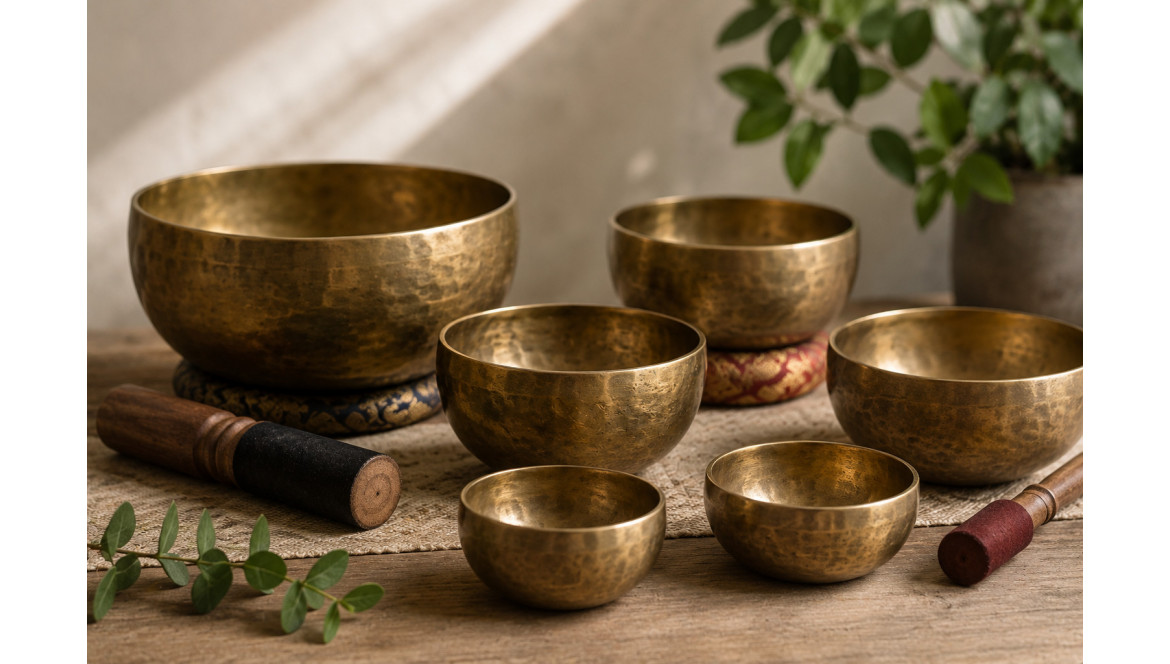
เรียนรู้วิทยาศาสตร์ที่แท้จริงเบื้องหลังความถี่ของชามร้อง และค้นพบว่าทำไมชามร้องหิมาลัยทำมือจึงสร้างเสียงสั่นพ้องหลายระดับ ไม่ใช่ความถี่เดียวแบบ 432Hz หรือ 528Hz
โหวดร้อง (Singing Bowl) มีความถี่ที่แน่นอนจริงหรือไม่? เปิดโปงความเข้าใจผิด
หากคุณเคยอยู่ในแวดวงโหวดร้อง การบำบัดด้วยเสียง หรือชุมชนผู้ฝึกสมาธิมาบ้าง คุณอาจเคยได้ยินคำกล่าวอ้างอย่างเช่น "โหวดใบนี้ปรับจูนไว้ที่ 432 Hz" หรือ "โหวดจักระหัวใจใบนั้นสั่นสะเทือนที่ 528 Hz พอดี" คำกล่าวเหล่านี้ฟังดูแม่นยำและเป็นวิทยาศาสตร์ แต่จริง ๆ แล้วมันไม่ได้สะท้อนวิธีการทำงานที่แท้จริงของโหวดร้องเสียเทียว บทความนี้จะพาไปเจาะลึกหลักวิทยาศาสตร์ที่แท้จริงเบื้องหลังความถี่ของโหวดร้อง แก้ไขความเข้าใจผิดที่พบบ่อยที่สุด และอธิบายว่าจริง ๆ แล้วคุณควรให้ความสำคัญกับอะไรแทน
คำตอบสั้น ๆ: ไม่ใช่ โหวดร้องแบบตีขึ้นรูปด้วยมือแบบดั้งเดิมไม่ได้ให้ความถี่ที่แน่นอนเพียงค่าเดียว และไม่ได้ถูกปรับจูนไว้ล่วงหน้าที่ 432 Hz หรือ 528 Hz โหวดแต่ละใบจะสร้างเสียงมูลฐาน (fundamental tone) พร้อมกับเสียงฮาร์มอนิกร่วมสั่น (resonant partials) หลายเสียงในเวลาเดียวกัน ก่อให้เกิดลายเซ็นทางเสียงที่เป็นเอกลักษณ์เฉพาะตัว ซึ่งถูกกำหนดโดยขนาด รูปทรง และส่วนผสมของโลหะ ระดับเสียงที่แน่นอนของโหวดจะรู้ได้ก็ต่อเมื่อทำโหวดเสร็จแล้วเท่านั้น
โหวดร้องให้ความถี่แบบใด?
คำตอบสั้น ๆ คือ โหวดร้องไม่ได้ให้ความถี่คงที่เพียงค่าเดียว เมื่อคุณตีหรือถูขอบโหวดร้องแบบทิเบตหรือหิมาลัย มันจะสร้างเสียงมูลฐานและเสียงฮาร์มอนิกร่วมสั่นหลายเสียงพร้อมกันในเวลาเดียวกัน ซึ่งแตกต่างอย่างสิ้นเชิงจาก เช่น เครื่องสังเคราะห์เสียงดิจิทัลหรือส้อมเสียงที่ผ่านการปรับเทียบอย่างแม่นยำ ซึ่งถูกออกแบบมาให้สร้างความถี่เดียวที่สะอาดชัดเจน
เมื่อคุณวิเคราะห์ความถี่ (การวิเคราะห์ FFT) กับการบันทึกเสียงโหวดร้อง คุณจะเห็นจุดพีคของการสั่นพ้องหลายจุดปรากฏขึ้นในตำแหน่งต่าง ๆ ทั่วสเปกตรัมเสียง ไม่ใช่เส้นเดียวที่ชัดเจน โหวดขนาดกลางอาจแสดงเสียงมูลฐานเด่นชัดอยู่ที่ประมาณ 260 Hz พร้อมกับการสั่นพ้องเพิ่มเติมที่ปรากฏขึ้นราว 520 Hz, 780 Hz และสูงกว่านั้น
การสั่นพ้องเพิ่มเติมเหล่านี้มักถูกเรียกว่าโอเวอร์โทน (overtones) หรือพาร์เชียล (partials) ซึ่งแตกต่างจากอนุกรมฮาร์มอนิกที่เกิดจากสายที่สั่นในอุดมคติ โหมดการสั่นพ้องของโหวดร้องมักไม่ใช่จำนวนเต็มเท่าของเสียงมูลฐานอย่างแม่นยำ เพราะโหวดเป็นเปลือกโค้งสามมิติ ไม่ใช่สายหรือท่อในอุดมคติ โหมดการสั่นของมันเป็นไปตามรูปแบบทางคณิตศาสตร์ที่ซับซ้อนกว่า และความไม่สม่ำเสมอของพื้นผิว ความหนาของผนังที่แตกต่างกัน รวมถึงส่วนผสมของโลหะผสม ล้วนเปลี่ยนแปลงรูปแบบเหล่านั้นเพิ่มเติมอีก นี่จึงเป็นเหตุผลว่าทำไมการบรรยายว่าโหวดร้องมี "ความถี่ที่แน่นอนเพียงค่าเดียว" จึงเป็นการทำให้เรื่องซับซ้อนดูง่ายเกินไป และในหลายกรณีก็เป็นเพียงข้อมูลที่ทำให้เข้าใจผิด
อะไรคือปัจจัยที่กำหนดระดับเสียงของโหวดร้องจริง ๆ?
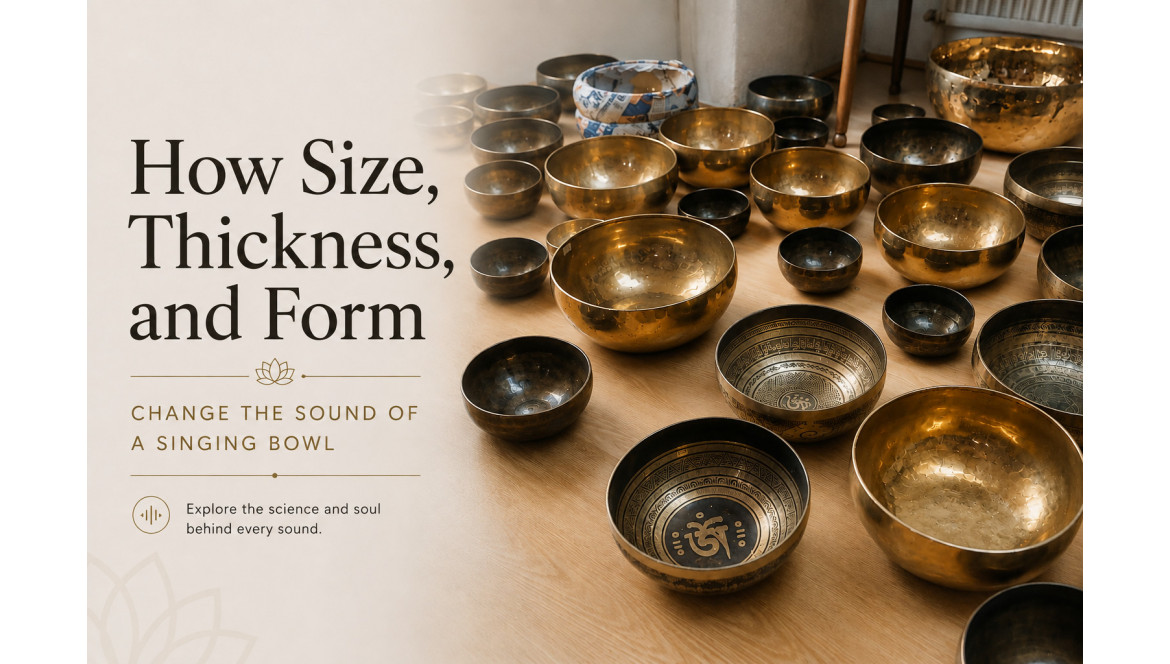
ระดับเสียงหลักของโหวดร้องแต่ละใบขึ้นอยู่กับคุณลักษณะทางกายภาพของมัน ปัจจัยหลักได้แก่:
ขนาดและเส้นผ่านศูนย์กลาง: โหวดใบใหญ่จะสั่นช้ากว่าและให้เสียงต่ำกว่า ส่วนโหวดใบเล็กจะสั่นเร็วกว่าและให้เสียงสูงกว่า สดใสกว่า
ความหนาของผนัง: ความแตกต่างของความหนาในแต่ละส่วนของโหวดจะเปลี่ยนความถี่การสั่นพ้อง
รูปทรง: ความโค้งของโหวด ความลึกของผนัง และความกว้างของขอบโหวด ล้วนมีผลต่อรูปแบบการสั่น
ส่วนผสมของโลหะผสม: โหวดร้องหิมาลัย แบบดั้งเดิมทำจากการผสมผสานโลหะหลายชนิด และส่วนผสมที่แตกต่างกันจะเปลี่ยนแปลงลักษณะโทนเสียงและโครงสร้างโอเวอร์โทนอย่างละเอียดอ่อน
รูปแบบการตี: ความไม่สม่ำเสมอที่เกิดจากการตีขึ้นรูปด้วยมือในกระบวนการผลิต มีส่วนสร้างเสียงที่เป็นเอกลักษณ์เฉพาะของโหวดแต่ละใบ
เนื่องจากมีตัวแปรมากมายเหล่านี้ แม้แต่โหวดสองใบที่ดูเหมือนเกือบจะเหมือนกัน ก็จะไม่ให้ความถี่ที่เหมือนกันเป๊ะ ๆ เมื่อวัดจริง ระดับเสียงที่แน่นอนของโหวดจะรู้ได้ก็ต่อเมื่อทำโหวดเสร็จและได้ลองเล่นแล้วเท่านั้น
นอกจากนี้ยังควรทราบด้วยว่า แม้แต่เสียงมูลฐานที่วัดได้ของโหวดใบเดียวกันก็อาจเปลี่ยนแปลงเล็กน้อยได้ ขึ้นอยู่กับตำแหน่งที่ตี วัสดุของไม้ตี แรงที่ใช้ในการเล่น และการที่โหวดถูกตีเพียงครั้งเดียวหรือถูวนอย่างต่อเนื่องไปตามขอบ นี่คือเหตุผลหนึ่งที่ทำให้แอปจูนเสียงที่ต่างกัน หรือการบันทึกเสียงคนละครั้ง อาจให้ค่าที่อ่านได้แตกต่างกันเล็กน้อยสำหรับโหวดใบเดียวกัน
ยังมีอีกปัจจัยหนึ่งที่ควรรู้ นั่นคือการเติมน้ำลงในโหวดร้องจะทำให้การสั่นพ้องลดลงและเปลี่ยนแปลงไปอย่างวัดผลได้ เนื่องจากการเปลี่ยนแปลงมวลที่มีผล (effective mass) และเงื่อนไขขอบเขตของภาชนะที่กำลังสั่น นี่คือเหตุผลที่ระดับเสียงของโหวดสามารถเปลี่ยนแปลงได้อย่างเห็นได้ชัดในระหว่างการสาธิตโหวดน้ำ
ช่วงความถี่ทั่วไปของโหวดร้อง
เมื่อพิจารณาโหวดร้องทุกขนาดและทุกสไตล์ ความถี่หลักโดยทั่วไปจะอยู่ระหว่าง 100 Hz ถึง 1,200 Hz นี่คือภาพรวมคร่าว ๆ แบ่งตามขนาด:
| ขนาดโหวด | เส้นผ่านศูนย์กลางโดยประมาณ | ช่วงความถี่หลักโดยทั่วไป | ลักษณะโดยรวม |
|---|---|---|---|
| เล็ก | 10-15 ซม. (4-6 นิ้ว) | 600-1,200 Hz | สดใส เสียงสูง |
| กลาง | 16-25 ซม. (6-10 นิ้ว) | 300-700 Hz | สมดุล มักใช้สำหรับการทำสมาธิ |
| ใหญ่ | 26 ซม. ขึ้นไป (10 นิ้ว ขึ้นไป) | 100-400 Hz (ต่ำกว่า 100 Hz สำหรับโหวดที่มีขนาดใหญ่กว่า 30 ซม.) | เสียงลึก หนักแน่น ให้ความรู้สึกหยั่งลงสู่พื้น |
ฆ้องขนาดใหญ่สามารถให้เสียงต่ำลงไปได้อีก โดยเสียงมูลฐานอาจลดลงไปถึงประมาณ 30 Hz ในขณะที่กระดิ่งทิงชา (tingsha) ขนาดเล็กจิ๋วสามารถสร้างเสียงฮาร์มอนิกที่โดดเด่นสูงกว่า 1,000 Hz ได้
ตัวเลขเหล่านี้เป็นเพียงช่วงคร่าว ๆ ไม่ใช่กฎตายตัว โหวดแต่ละใบล้วนเป็นเครื่องดนตรีเฉพาะตัวของมันเอง
โหวดร้องถูกปรับจูนไว้ที่ 432 Hz, 440 Hz หรือ 528 Hz หรือไม่?
โหวดร้องทิเบตและหิมาลัยแบบดั้งเดิมที่ตีขึ้นรูปด้วยมือ ไม่ได้ถูกผลิตขึ้นโดยใช้เครื่องวัดความถี่หรือมาตรฐานระดับเสียงคอนเสิร์ตแบบตะวันตก ช่างฝีมือที่ทำโหวดเหล่านี้ทำงานผ่านกระบวนการดั้งเดิมในการขึ้นรูปแผ่นโลหะที่ได้รับความร้อนด้วยมือ โดยอาศัยฝีมือและประสบการณ์เป็นแนวทาง ไม่ใช่ด้วยความคิดที่ว่า "ฉันอยากทำโหวดที่ 432 Hz วันนี้" ความถี่ที่เกิดขึ้นคือผลลัพธ์จากกระบวนการทางกายภาพนี้ ซึ่งจะทราบได้ก็ต่อเมื่อโหวดเสร็จสมบูรณ์แล้ว
ผู้จำหน่ายและช่างทำโหวดหิมาลัยที่มีชื่อเสียงน่าเชื่อถือต่างก็พูดชัดเจนในเรื่องนี้ นั่นคือความถี่หรือระดับเสียงที่แน่นอนของโหวดร้องแบบดั้งเดิมไม่ได้ถูกกำหนดไว้ล่วงหน้า ช่างฝีมือไม่ได้ตั้งเป้าที่จะทำโหวดให้ได้ค่าเฮิรตซ์ที่เฉพาะเจาะจง แต่ความถี่ของโหวดแต่ละใบจะถูกค้นพบก็ต่อเมื่อทำเสร็จแล้วเท่านั้น ในฐานะที่เป็นผลลัพธ์ตามธรรมชาติจากขนาด รูปทรง ความหนา และส่วนผสมของโลหะของมัน
นั่นหมายความว่า เมื่อมีใครขาย "โหวดจักระหัวใจที่ปรับจูนไว้ที่ 432 Hz" พวกเขาอาจกำลังขายผลิตภัณฑ์ที่ผลิตด้วยเครื่องจักรสมัยใหม่ซึ่งถูกออกแบบมาโดยเจตนาให้ได้ระดับเสียงที่เฉพาะเจาะจง (ซึ่งเป็นเครื่องดนตรีคนละประเภทกันเลย) หรือไม่ก็กำลังใช้ภาษาการตลาดที่ไม่ได้สะท้อนความจริงของวิธีการผลิตโหวดใบนั้นอย่างถูกต้อง
ข้อถกเถียงที่รู้จักกันดีเรื่อง 432 Hz กับ 440 Hz นั้นหมายถึงมาตรฐานการปรับจูนอ้างอิงที่แตกต่างกันสำหรับโน้ต A4 โหวดร้องหิมาลัยแบบดั้งเดิมในทางประวัติศาสตร์ไม่ได้ถูกสร้างขึ้นโดยอิงตามมาตรฐานระดับเสียงคอนเสิร์ตแบบตะวันตกทั้งสองแบบนี้เลย สำหรับโหวดที่ทำด้วยมือ ความแตกต่างนี้แทบไม่มีความหมายอะไรเลย เพราะโหวดใบนั้นไม่เคยมีเป้าหมายที่จะเข้ากับมาตรฐานใดมาตรฐานหนึ่งตั้งแต่แรกอยู่แล้ว ความถี่การสั่นพ้องของมันก็เป็นไปตามที่มันเป็น ซึ่งถูกกำหนดขึ้นโดยรูปทรงทางกายภาพของมันโดยสมบูรณ์
การวัดทางวิทยาศาสตร์แสดงให้เห็นอะไรบ้าง?
งานวิจัยด้านอะคูสติกที่นำการวิเคราะห์ความถี่ที่เหมาะสมมาใช้กับโหวดร้องทิเบต ยืนยันว่าโหวดเหล่านี้เป็นระบบอะคูสติกที่สามารถวัดผลและคาดการณ์ได้ งานวิจัยที่ใช้การวิเคราะห์สเปกตรัม FFT กับโหวดที่บันทึกไว้ แสดงให้เห็นอย่างสม่ำเสมอถึงจุดพีคของการสั่นพ้องที่ชัดเจนหลายจุดในความถี่ที่เฉพาะเจาะจง ซึ่งแต่ละจุดสอดคล้องกับโหมดการสั่นที่แตกต่างกันในโหวด
โหมดเหล่านี้ได้รับอิทธิพลจากตำแหน่งและวิธีที่คุณกระตุ้นให้โหวดสั่น การตีด้านข้างของโหวดด้วยไม้ตีให้ผลลัพธ์ของสมดุลฮาร์มอนิกที่แตกต่างจากการถูขอบเบา ๆ ด้วยไม้ตีไม้ วัสดุของไม้ตีก็มีผลเช่นกัน นี่คือเหตุผลที่โหวดใบเดียวกันสามารถให้เสียงที่แตกต่างกันอย่างมีนัยสำคัญ ขึ้นอยู่กับวิธีการเล่น
แง่มุมหนึ่งของอะคูสติกโหวดร้องที่นักวิจัยและผู้ปฏิบัติได้สังเกตเห็น คือคู่ของความถี่ฮาร์มอนิกที่อยู่ใกล้กันสามารถสร้างความถี่จังหวะ (beat frequency) ในช่วงความถี่ต่ำ ซึ่งบางครั้งตกอยู่ในย่านที่เกี่ยวข้องกับกิจกรรมคลื่นสมองอัลฟาและธีตา (ประมาณ 4 ถึง 12 Hz) แม้ว่าความถี่จังหวะทางอะคูสติกจะเป็นปรากฏการณ์จริงและวัดผลได้ แต่ยังไม่แน่ชัดว่าปรากฏการณ์นี้จะสามารถชักนำ (entrain) กิจกรรมของสมองได้อย่างน่าเชื่อถือ หรือก่อให้เกิดผลการบำบัดโดยตรงหรือไม่ ซึ่งยังคงเป็นสาขาการวิจัยที่กำลังดำเนินอยู่ และหลักฐานทางคลินิกก็ยังอยู่ในระหว่างการสั่งสม งานวิจัยเชิงวิชาการเกี่ยวกับอะคูสติกของระฆังและเครื่องดนตรีทรงเปลือกโค้ง รวมถึงงานวิจัยของ Rossing และ Fletcher เกี่ยวกับฟิสิกส์ของเครื่องดนตรี ได้ให้พื้นฐานที่เป็นประโยชน์ในการทำความเข้าใจว่าทำไมโหมดการสั่นพ้องเหล่านี้จึงมีพฤติกรรมเช่นนั้นในวัตถุรูปทรงโหวด
ประเด็นสำคัญคือ ใช่ ความถี่ของโหวดร้องสามารถวัดได้อย่างแม่นยำ อย่างไรก็ตาม ผลลัพธ์ที่ได้จะเป็นชุดของการสั่นพ้องที่เป็นเอกลักษณ์เฉพาะของโหวดใบนั้น ๆ เสมอ ไม่ใช่ค่าสากลเพียงค่าเดียว
ความเข้าใจผิดที่พบบ่อยซึ่งควรได้รับการแก้ไข
"โหวดจักระหัวใจทุกใบต้องเป็น 432 Hz หรือ 528 Hz พอดี" โหวดหิมาลัยแบบตีขึ้นรูปด้วยมือแบบดั้งเดิมไม่ได้ถูกผลิตขึ้นตามมาตรฐานเช่นนี้ และโหวดสองใบที่ทำการตลาดว่าเป็น "โหวดจักระหัวใจ" อาจแตกต่างกันอย่างเห็นได้ชัดเมื่อวัดจริงด้วยเครื่องวิเคราะห์ความถี่
"โหวดของแท้ต้องปรับจูนที่ 440 Hz เหมือนเครื่องดนตรีตะวันตก" นี่คือการนำมาตรฐานวงออร์เคสตราแบบตะวันตกไปใช้กับตระกูลเครื่องดนตรีที่ในทางประวัติศาสตร์ไม่มีความเกี่ยวข้องใด ๆ กับมันเลย ช่างทำโหวดและผู้จำหน่ายที่มีประสบการณ์หลายรายปฏิเสธอย่างชัดเจนว่านี่ไม่ใช่ข้อกำหนดที่มีความหมายสำหรับโหวดแบบดั้งเดิม
"ถ้าโหวดแสดงความถี่แตกต่างกันเล็กน้อยในสองแอปที่ต่างกัน แสดงว่ามันต้องเป็นของปลอมหรือคุณภาพต่ำ" ความแตกต่างเล็กน้อยของค่าที่อ่านได้ระหว่างแอปต่าง ๆ หรือระหว่างการบันทึกเสียงคนละครั้ง เป็นเรื่องปกติอย่างสมบูรณ์ สิ่งเหล่านี้เกิดขึ้นเนื่องจากตำแหน่งไมโครโฟน แรงที่ใช้ในการเล่น อะคูสติกของห้อง อุณหภูมิ และการที่อัลกอริทึมของแอปบังเอิญจับสัญญาณฮาร์มอนิกใด ความแตกต่างประมาณ 3 ถึง 5 Hz ระหว่างการวัดโหวดใบเดียวกันไม่ได้เป็นตัวบ่งชี้คุณภาพแต่อย่างใด
"โหวดที่ระบุว่าเป็น 294 Hz จะต้องเป็น 294.000 Hz ที่แน่นอนเสมอ" ข้อความนี้สับสนระหว่างป้ายกำกับที่ใช้งานได้จริง (ซึ่งมีประโยชน์สำหรับการอ้างอิงและเปรียบเทียบทางดนตรี) กับความแม่นยำระดับห้องปฏิบัติการ การบอกว่าโหวดใบหนึ่ง "อยู่ใกล้ D4 ประมาณ 294 Hz" นั้นถูกต้องและเป็นประโยชน์ แต่การอ้างว่ามันเป็นออสซิลเลเตอร์อ้างอิงที่ผ่านการปรับเทียบแล้วนั้นไม่ถูกต้อง
วิธีวัดความถี่ของโหวดของคุณเอง
หากคุณต้องการระบุระดับเสียงและความถี่หลักโดยประมาณของโหวดร้องของคุณเอง คุณมีตัวเลือกอยู่หลายทาง:
แอปจูนเสียง: แอปอย่าง Note Detector หรือแอปจูนเสียงที่ใช้สเปกตรัมในลักษณะคล้ายกัน สามารถให้ค่าที่อ่านได้จริงของโน้ตการสั่นพ้องหลักของโหวด ด้วยการตีโหวดแล้วปล่อยให้มันดังก้องต่อไปในขณะที่แอปฟังเสียง นี่คือวิธีที่ผู้จำหน่ายโหวดแนะนำกันมากที่สุด
ซอฟต์แวร์วิเคราะห์สเปกตรัม: หากคุณบันทึกเสียงโหวดของคุณและวิเคราะห์เสียงในซอฟต์แวร์อย่าง Audacity ซึ่งมีฟังก์ชันแสดงผลสเปกตรัม FFT ในตัว คุณจะสามารถเห็นชุดของจุดพีคทั้งหมดและระบุทั้งเสียงมูลฐานและโอเวอร์โทนได้ วิธีนี้จะให้ภาพที่สมบูรณ์กว่ามากเกี่ยวกับลักษณะทางเสียงของโหวด เมื่อเทียบกับป้ายกำกับโน้ตเพียงตัวเดียว
สิ่งที่คุณจะได้จากทั้งสองวิธีนี้คือการวัดที่แม่นยำสำหรับโหวดใบนั้น ๆ ในเงื่อนไขการเล่นเฉพาะนั้น ๆ ไม่ใช่แม่แบบสากลที่ใช้ได้กับโหวดทุกใบที่มีขนาดหรือสไตล์เดียวกัน
การนำภาพหน้าจอสเปกตรัมจากโหวดหลาย ๆ ใบมาวางเทียบกันเป็นวิธีที่ดีในการแสดงให้เห็นว่าทำไมแนวคิดเรื่อง "ความถี่ที่แน่นอนเพียงค่าเดียว" จึงไม่เป็นความจริง ไม่มีโหวดสองใบใดที่มีลักษณะเหมือนกันบนสเปกโตรแกรม
แล้วจริง ๆ แล้วคุณควรให้ความสำคัญกับอะไร?
สำหรับผู้ปฏิบัติและผู้ที่ชื่นชอบส่วนใหญ่ วิธีคิดที่เป็นประโยชน์ที่สุดเกี่ยวกับความถี่ของโหวดร้องคือแบบนี้: โหวดแต่ละใบมีย่านระดับเสียงหลักที่คุณสามารถระบุและอธิบายได้ (เช่น "โหวดใบนี้อยู่ราว F3 ในช่วง 175 Hz") บวกกับรูปแบบโอเวอร์โทนที่เป็นเอกลักษณ์เฉพาะซึ่งให้ลักษณะเฉพาะตัวแก่มัน แค่นี้ก็เพียงพอแล้วสำหรับการใช้งานอย่างสม่ำเสมอในการทำสมาธิ การบำบัดด้วยเสียง โยคะ หรือบริบทการบำบัดใด ๆ ก็ตาม
สิ่งที่สำคัญในทางปฏิบัติไม่ใช่ว่าโหวดใบนั้นตรงกับตัวเลขเฉพาะบนแผนภูมิความถี่หรือไม่ แต่คือโหวดใบนั้นให้เสียงเป็นอย่างไรสำหรับคุณ มันมีปฏิสัมพันธ์อย่างไรกับโหวดใบอื่น ๆ ที่คุณกำลังเล่นด้วยกัน และคุณรู้สึกอย่างไรเมื่อได้นั่งอยู่กับมัน
ความไพเราะของเสียงโหวดร้องมาจากชั้นของโอเวอร์โทนที่ซ้อนทับกันเหล่านั้น และความไม่สมบูรณ์แบบเล็กน้อยของกระบวนการทำมือ ความซับซ้อนนั้นไม่ใช่ข้อบกพร่องที่ต้องแก้ไข
มันคือตัวตนของเครื่องดนตรีชิ้นนี้เอง
คำถามที่พบบ่อย
ช่วงความถี่ของโหวดร้องคือเท่าไร? โหวดร้องโลหะส่วนใหญ่ให้เสียงมูลฐานหลักอยู่ในช่วงระหว่าง 100 Hz ถึง 1,200 Hz ขึ้นอยู่กับขนาด โหวดใบใหญ่จะอยู่ในช่วงต่ำของช่วงนี้ ส่วนโหวดใบเล็กจะอยู่ในช่วงสูงกว่า
โหวดร้องถูกปรับจูนไว้ที่ความถี่เฉพาะเจาะจงหรือไม่? โหวดร้องหิมาลัยแบบตีขึ้นรูปด้วยมือแบบดั้งเดิมไม่ได้ถูกปรับจูนอย่างแม่นยำไปที่ความถี่เฉพาะเจาะจงใด ๆ ระดับเสียงของมันถูกกำหนดโดยปัจจัยทางกายภาพ และจะทราบได้ก็ต่อเมื่อทำโหวดเสร็จแล้วเท่านั้น โหวดที่ผลิตด้วยเครื่องจักรสมัยใหม่บางรุ่นถูกออกแบบมาให้ได้ระดับเสียงที่เฉพาะเจาะจง แต่สิ่งเหล่านี้เป็นเครื่องดนตรีคนละประเภทกัน
ความแตกต่างระหว่างเสียงมูลฐานกับโอเวอร์โทนคืออะไร? เสียงมูลฐานคือเสียงที่ต่ำที่สุดและเด่นชัดที่สุดที่โหวดให้ออกมา โอเวอร์โทนหรือพาร์เชียลคือการสั่นพ้องเพิ่มเติมที่ดังพร้อมกัน ให้คุณภาพเสียงที่หลากหลายและมีมิติแก่โหวด ต่างจากอนุกรมฮาร์มอนิกของเครื่องดนตรีสาย โอเวอร์โทนของโหวดร้องโดยทั่วไปไม่ใช่จำนวนเต็มเท่าของเสียงมูลฐานอย่างแม่นยำ
สามารถวัดความถี่โหวดร้องที่บ้านได้หรือไม่? ได้ แอปจูนเสียงพื้นฐานหรือเครื่องวิเคราะห์สเปกตรัมบนโทรศัพท์ของคุณก็เพียงพอสำหรับการประมาณระดับเสียงหลัก หากต้องการดูรายละเอียดความถี่ทั้งหมดที่มีอยู่มากขึ้น การบันทึกเสียงโหวดแล้ววิเคราะห์ในซอฟต์แวร์เสียงจะให้ผลลัพธ์ที่ดีกว่า
ขนาดของโหวดมีผลต่อความถี่หรือไม่? มี โหวดใบใหญ่ให้เสียงต่ำและลึกกว่า ส่วนโหวดใบเล็กให้เสียงสูงกว่า แม้ว่าความถี่ที่แน่นอนจะขึ้นอยู่กับความหนาของผนัง รูปทรง และส่วนผสมของโลหะผสมด้วยเช่นกัน
432 Hz มีความหมายอย่างไรสำหรับโหวดร้อง? ข้อถกเถียงเรื่อง 432 Hz กับ 440 Hz หมายถึงมาตรฐานการปรับจูนอ้างอิงที่แตกต่างกันสำหรับโน้ต A4 โหวดร้องหิมาลัยแบบดั้งเดิมในทางประวัติศาสตร์ไม่ได้ถูกสร้างขึ้นโดยอิงตามมาตรฐานระดับเสียงคอนเสิร์ตแบบตะวันตกทั้งสองแบบนี้เลย ระดับเสียงของโหวดเกิดขึ้นจากกระบวนการผลิตทางกายภาพ ทำให้ความแตกต่างระหว่าง 432 Hz กับ 440 Hz แทบไม่มีความหมายเลยสำหรับโหวดที่ตีขึ้นรูปด้วยมือ



Comments
No comment at this time!
Leave your comment