


Hiểu về sự cộng hưởng: Bát hát ảnh hưởng đến cơ thể và tâm trí như thế nào

Khám phá mối liên hệ hấp dẫn giữa cộng hưởng và cơ thể con người trong blog này. Khám phá cách bát hát tạo ra sóng hài hòa phù hợp với cột sống của bạn, khôi phục sự cân bằng và thúc đẩy quá trình chữa bệnh. Khám phá khoa học đằng sau liệu pháp âm thanh và tác động biến đổi của nó đối với tâm trí và cơ thể.
Giới thiệu
Cộng hưởng là một hiện tượng mạnh mẽ định hình cách âm thanh tương tác với thế giới xung quanh chúng ta và bên trong chúng ta. Trong lĩnh vực liệu pháp âm thanh, cộng hưởng đóng vai trò quan trọng trong việc tạo ra sự hài hòa giữa cơ thể và tâm trí. Chính thông qua nguyên tắc này mà các rung động âm thanh có thể thâm nhập sâu vào con người, ảnh hưởng đến cảm xúc, trạng thái thể chất và sự rõ ràng về tinh thần.
Chén hát (Singing bowls), với âm thanh dịu dàng và rung động tinh tế, là một ví dụ điển hình về cách cộng hưởng có thể được sử dụng cho mục đích trị liệu. Những nhạc cụ cổ xưa này có khả năng đặc biệt để căn chỉnh các tần số tự nhiên của cơ thể, thúc đẩy sự thư giãn, chữa lành và chánh niệm. Bằng cách hiểu khái niệm về cộng hưởng, chúng ta có thể khai thác tối đa tiềm năng của chén hát và tác động biến đổi của chúng đối với sức khỏe tổng thể.
Cộng hưởng là gì?
Về mặt khoa học, cộng hưởng là hiện tượng một vật dao động với tần số khuếch đại khi một sóng âm bên ngoài trùng khớp với tần số tự nhiên của vật đó. Mỗi vật, bao gồm cả cơ thể con người, đều có một tập hợp các tần số tự nhiên riêng biệt, thường được gọi là tần số cộng hưởng. Khi sóng âm phù hợp với các tần số này, nó kích hoạt một trạng thái dao động tăng cường, tạo ra sự trao đổi năng lượng mạnh mẽ.
Trong bối cảnh sinh lý học con người, cộng hưởng xảy ra trong các tế bào, mô, thậm chí cả sóng não. Ví dụ, các nghiên cứu đã chỉ ra rằng các tần số âm thanh cụ thể có thể kích thích hoạt động sóng não, giúp cá nhân đạt trạng thái thư giãn hoặc thiền định. Sự căn chỉnh tần số này cũng có thể ảnh hưởng đến cảm xúc, vì các rung động âm thanh được xử lý qua hệ thống thính giác và não limbic, khu vực điều khiển phản ứng cảm xúc của chúng ta.
Cộng hưởng không chỉ là một khái niệm lý thuyết mà là một tương tác có thể đo lường, kết nối vật lý và sinh học. Chén hát, với các tần số được điều chỉnh tinh tế, đặc biệt hiệu quả trong việc tạo ra các hiệu ứng cộng hưởng ảnh hưởng đến cả cơ thể và tâm trí, làm cho chúng trở thành một phần quan trọng trong các phương pháp trị liệu bằng âm thanh.
Khoa học đằng sau chén hát
Cách chén hát tạo ra âm thanh và rung động
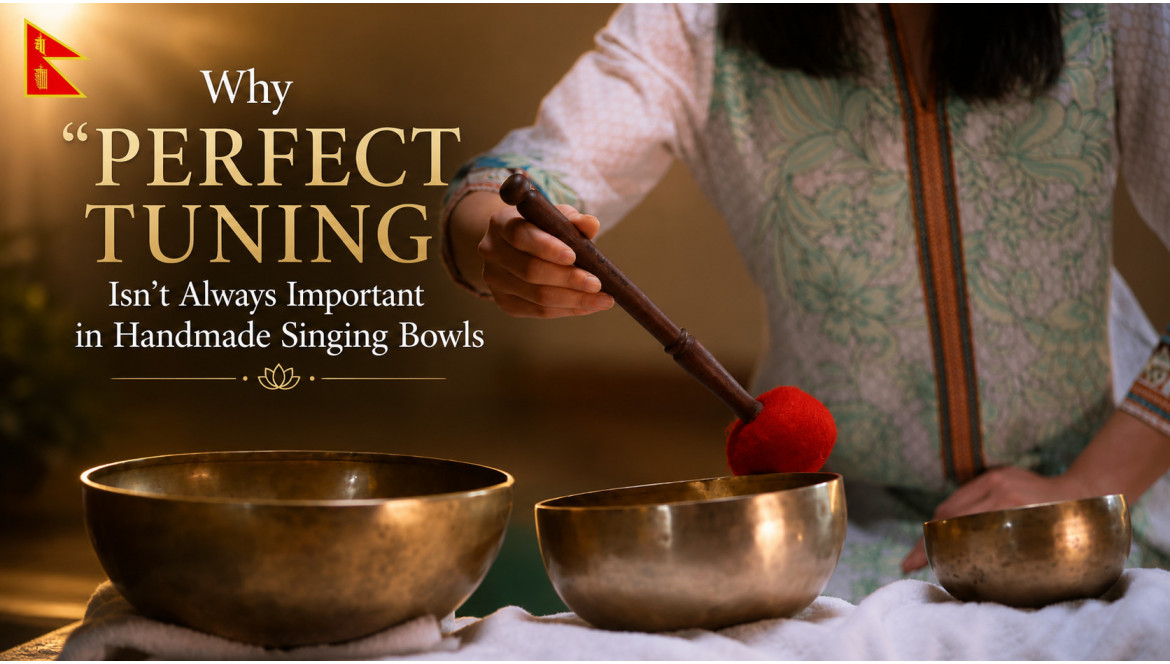
Chén hát tạo ra âm thanh và rung động thông qua sự kết hợp của cộng hưởng và ma sát. Khi sử dụng búa hoặc que gõ để chà xung quanh vành hoặc gõ vào bề mặt của chén hát, nó khiến chén rung động. Ma sát giữa búa và bề mặt chén truyền năng lượng, làm chuyển động cấu trúc kim loại của chén. Khi chén rung, nó tạo ra các sóng âm mà chúng ta có thể nghe thấy.
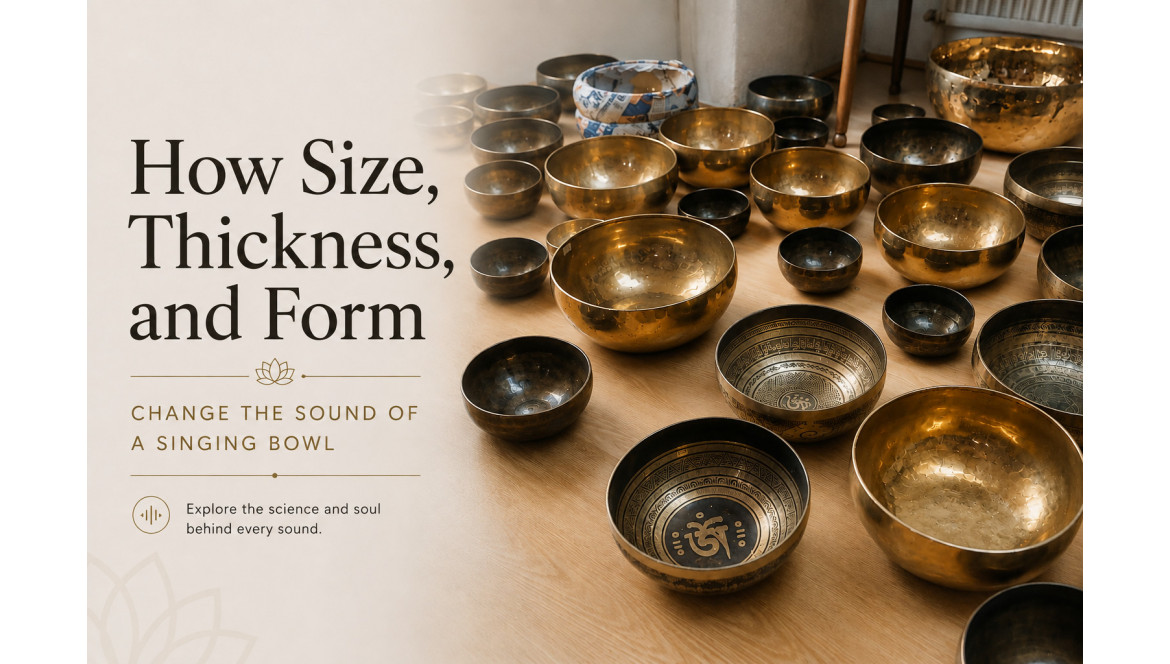
Hình dạng, kích thước và thành phần kim loại của chén ảnh hưởng đáng kể đến tần số và âm sắc của âm thanh tạo ra. Các rung động trong chén khiến các hạt không khí xung quanh di chuyển, tạo ra sóng âm lan tỏa ra ngoài. Những sóng âm này có thể vừa nghe thấy vừa dưới ngưỡng nghe, lý do tại sao một số người cảm nhận được sự thư giãn sâu hoặc thậm chí các cảm giác thể chất khi nghe âm thanh của chén hát.
Giải thích về tần số và hài âm
Âm thanh về cơ bản là một rung động truyền qua môi trường, như không khí hoặc nước. Mỗi âm thanh có một tần số, được đo bằng Hertz (Hz), biểu thị số lần rung động mỗi giây. Chén hát tạo ra một âm cơ bản, tương ứng với tần số chính của âm thanh. Bên cạnh tần số chính này, chén hát cũng tạo ra các tần số cộng hưởng hay hài âm. Những hài âm này là các tần số cao hơn cộng hưởng cùng với âm cơ bản, tạo nên âm thanh phong phú và phức tạp.
Hài âm là một phần quan trọng trong hiệu quả trị liệu của chén hát. Mỗi hài âm tương tác với các hài âm khác tạo thành phổ hài, có thể thay đổi tùy thuộc vào kích thước, hình dạng và vật liệu của chén. Âm thanh nhiều lớp này được cho là ảnh hưởng đến người nghe cả về thể chất lẫn cảm xúc, thúc đẩy sự thư giãn, tập trung và cảm giác cân bằng.
Mối liên hệ giữa sóng âm và hoạt động sóng não
Sóng âm phát ra từ chén hát không chỉ là các rung động trong không khí; chúng còn tương tác với não và cơ thể. Nghiên cứu cho thấy các tần số âm thanh có thể ảnh hưởng đến hoạt động sóng não, dẫn đến những trạng thái ý thức thay đổi. Não hoạt động ở các tần số khác nhau, được phân loại thành các trạng thái sóng não: delta, theta, alpha, beta và gamma.
- Sóng Delta: Sóng chậm nhất (0,5-4 Hz), liên quan đến giấc ngủ sâu và trạng thái phục hồi.
- Sóng Theta: Liên quan đến thư giãn sâu, sáng tạo và thiền định (4-8 Hz).
- Sóng Alpha: Xuất hiện trong trạng thái thư giãn, yên bình (8-12 Hz).
- Sóng Beta: Liên quan đến suy nghĩ tích cực và tỉnh táo (12-30 Hz).
- Sóng Gamma: Liên quan đến nhận thức tăng cường và chức năng nhận thức (30-100 Hz).
Khi nghe chén hát, đặc biệt là những chén được điều chỉnh theo tần số cụ thể, sóng âm có thể tạo ra hiệu ứng cộng hưởng ảnh hưởng đến hoạt động não. Ví dụ, âm thanh êm dịu của chén được điều chỉnh phù hợp với sóng alpha hoặc theta có thể giúp người nghe đạt trạng thái thiền hoặc thư giãn. Hiện tượng này thường được gọi là "đồng bộ sóng não", nơi não đồng bộ hóa tần số với nhịp điệu hoặc tần số của âm thanh.
Tác động của chén hát đến cơ thể
Chén hát, với các tần số âm thanh mạnh mẽ và rung động, đã được chứng minh có tác động sâu sắc đến cơ thể. Các rung động phát ra từ chén không chỉ tác động qua tai mà còn tương tác với các mô, tế bào và hệ thống năng lượng của cơ thể, mang lại nhiều lợi ích trị liệu.
Tác động rung động lên tế bào và mô
Rung động từ chén hát không chỉ cộng hưởng trong không khí mà còn trong cơ thể. Khi sóng âm truyền đến cơ thể, chúng tạo ra các rung động nhỏ trong các mô và tế bào. Các rung động này được chứng minh giúp thúc đẩy sự di chuyển năng lượng trong cơ thể, cải thiện chức năng tế bào. Khi cơ thể hấp thụ những rung động này, chúng kích thích các tế bào, giúp giải phóng tắc nghẽn, cải thiện tuần hoàn và hỗ trợ quá trình chữa lành tự nhiên.
Một số nghiên cứu gợi ý rằng các rung động âm thanh thậm chí có thể giúp các tế bào cơ thể hòa hợp hơn. Điều này dựa trên khái niệm rằng mỗi tế bào trong cơ thể cộng hưởng ở một tần số nhất định. Khi rung động từ chén hát được áp dụng, chúng có thể giúp căn chỉnh lại các tế bào, tạo cảm giác hạnh phúc và nâng cao sức khỏe tổng thể.
Thúc đẩy thư giãn cơ thể và giảm căng thẳng
Chén hát được công nhận rộng rãi vì khả năng tạo ra sự thư giãn sâu. Âm thanh và rung động có thể giúp giảm căng cơ, làm dịu hệ thần kinh và tạo cảm giác thư giãn tổng thể. Hiệu quả này đặc biệt hữu ích cho những người trải qua căng thẳng hoặc lo âu. Âm thanh dịu nhẹ của chén khuyến khích cơ thể vào trạng thái hệ thần kinh đối giao cảm (gọi là "nghỉ ngơi và tiêu hóa"), trái ngược với phản ứng chiến đấu hay bỏ chạy khi căng thẳng.
Khi cơ thể thư giãn, cơ bắp giải phóng căng thẳng và nhịp tim chậm lại. Quá trình này giúp cơ thể phục hồi sau mệt mỏi hàng ngày, mang lại cảm giác bình yên và thư thái. Tần số rung động của chén hát giúp cân bằng lại nhịp điệu tự nhiên của cơ thể, đó là lý do nhiều người sử dụng chén hát cho thiền, thư giãn và giảm stress.



Comments
No comment at this time!
Leave your comment