


Singing Bowl Reiki: How Sound Healing & Reiki Work Together for Deep Energy Balance
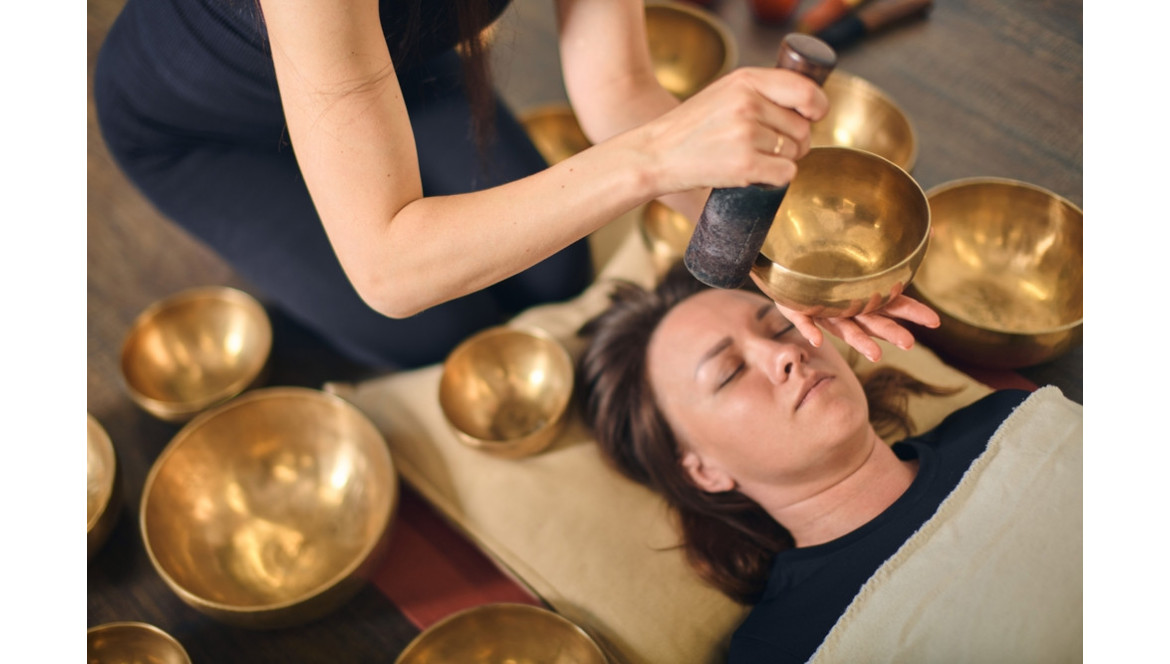
Singing Bowl Reiki combines two complementary wellness traditions. Learn how practitioners structure sessions and how to distinguish traditional energy language, personal reports, and scientific evidence.
Singing Bowl Reiki combines two complementary wellness traditions: Reiki hand placements and the attentive use of singing-bowl sound. Practitioners may use them together to structure a calm, reflective session. This article explains the practice while separating traditional energy language, personal experience, and current scientific evidence.
What is Singing Bowl Reiki?
Reiki is a Japanese complementary practice in which a practitioner places the hands lightly on or just above a person. Within Reiki tradition, this is described as working with life-force energy. Singing bowls may be played before, during, or after the hand placements to mark transitions, support focused listening, and create a meditative atmosphere.
Terms such as energy flow, chakra balance, prana, and biofield belong to spiritual or practitioner frameworks. They can be meaningful within those traditions, but they are not established anatomical structures or clinically validated mechanisms.
What does the evidence say?
The US National Center for Complementary and Integrative Health states that Reiki has not been clearly shown to be effective for any health-related purpose and that there is no scientific evidence for the energy field proposed in Reiki theory.
Singing-bowl research is separate from Reiki research. Some small studies report short-term changes in self-reported anxiety, tension, or mood after a bowl session. However, systematic reviews describe a limited and heterogeneous evidence base, so these findings do not prove cellular repair, lymphatic stimulation, improved circulation, trauma release, or treatment of anxiety, depression, pain, or sleep disorders.
- Randomized study of a single singing-bowl session and acute anxiety
- Observational study of mood after a sound meditation
- 2020 systematic review of singing-bowl research
- 2025 systematic review of potential well-being effects
Why practitioners combine the two traditions
Practitioners commonly describe three practical reasons:
- Session structure: a tone can open or close a period of quiet attention.
- Focused listening: the changing harmonics give the participant a simple object of attention.
- Ritual meaning: sound may reinforce the intention, symbolism, or chakra framework used by the practitioner.
These are descriptions of practice and experience, not proof that sound amplifies a measurable healing energy.
A typical practitioner-led session
- The practitioner explains the format, asks about comfort, and obtains consent for any touch.
- A bowl is played softly from a stable position near—but not on—the participant.
- Reiki hand placements are used with light touch or no touch, according to the participant’s preference.
- Additional tones may mark transitions, with silence between sounds.
- The session ends gradually, followed by time to sit up, hydrate, and discuss the experience.
People sometimes report warmth, tingling, emotion, calm, or no particular sensation. All of these responses are valid; a strong sensation is not evidence that a medical change has occurred.
Safety and responsible language
- Keep volume comfortable and avoid playing close to the ears.
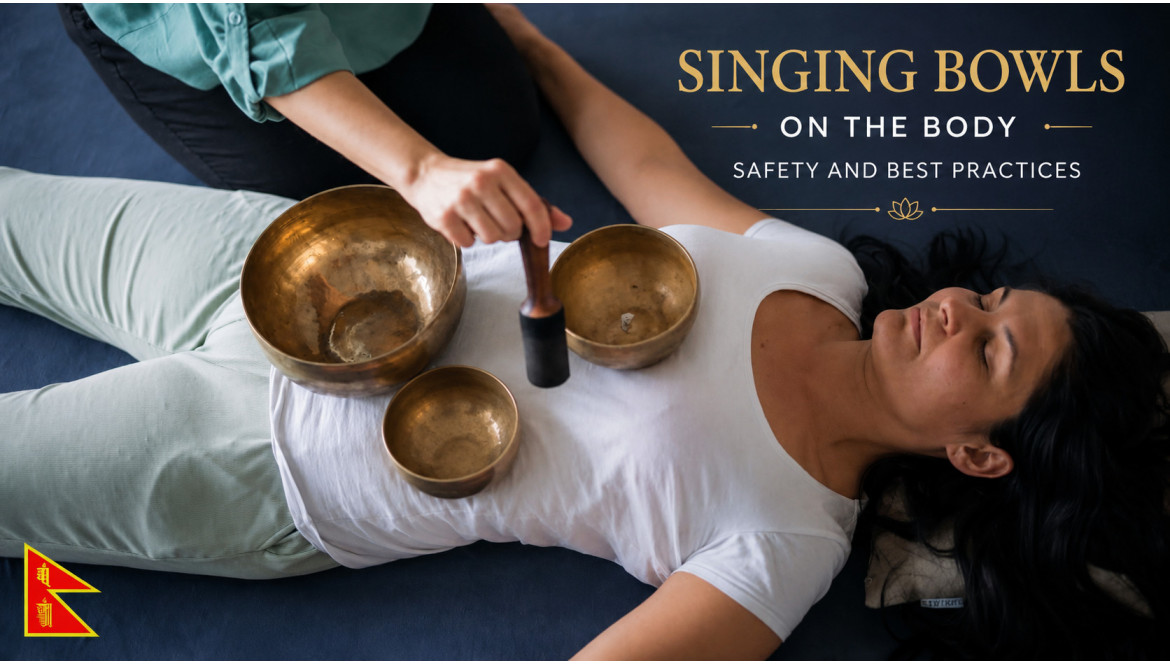
- Do not place heavy bowls on the body without appropriate training, consent, and screening.
- Stop if a participant experiences pain, dizziness, distress, or sensory overload.
- Do not claim to diagnose, cure, detoxify, repair cells, release trauma, or replace medical or mental-health care.
Medical disclaimer: Singing Bowl Reiki is a complementary spiritual or wellness practice. It is not a medical treatment and should not replace care from a qualified health professional. Discuss complementary practices with your clinician when you have a health condition or are receiving treatment.
In Same Category
- Can You Place Singing Bowls on the Body? Safety and Best Practice
- Om Sajan Healing Center and Museum: Inside Kathmandu's Three-Floor Singing Bowl Sanctuary
- What Is Sound Healing? Traditions, Sound Baths & Research
- Tingshas vs Singing Bowls: Which Sound Healing Tool Should You Use?
- Handmade vs Machine-Made Singing Bowls: Key Differences


Comments
No comment at this time!
Leave your comment