


Singing Bowls and Science: What Research Actually Shows
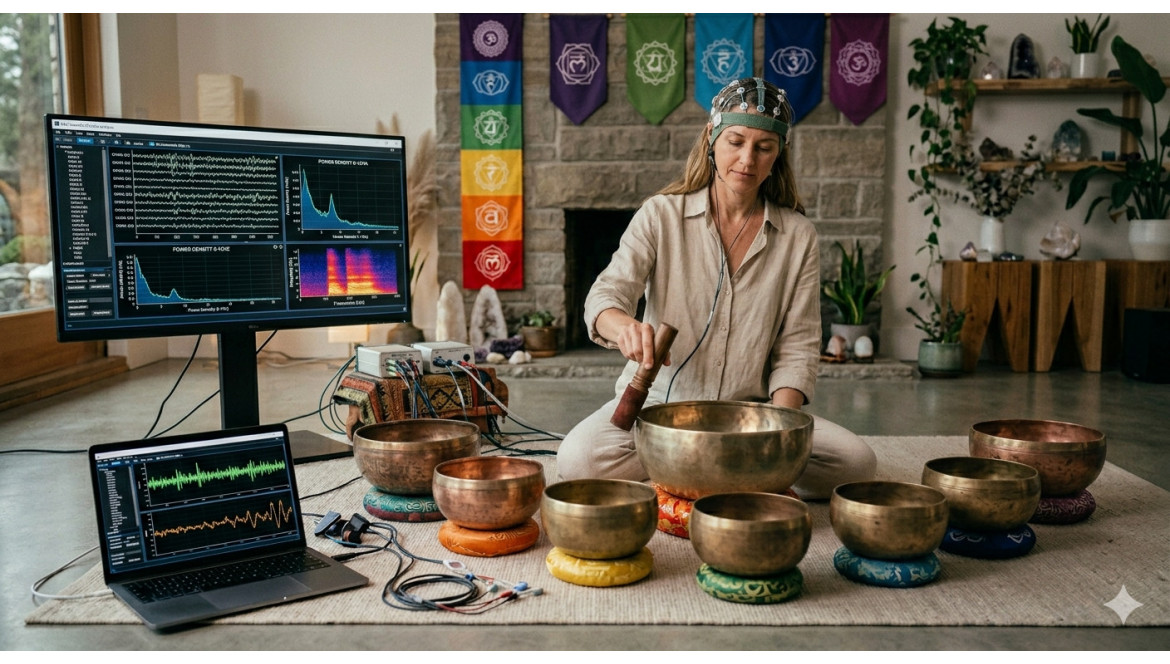
A plain-language overview of what published research suggests about singing bowls, including possible effects on relaxation, anxiety, sleep and brain activity, plus important limits and unsupported claims.
The Science of Singing Bowls: What Research Actually Shows
A plain-language, research-backed guide to what singing bowls therapy can and cannot do, summarizing published research while highlighting the limits of the available evidence.
Quick Summary: What Does Science Say?
| What Research Supports | What Research Does NOT Support |
|---|---|
|
|
Tibetan singing bowls, also known as Himalayan singing bowls, have been used for centuries across Tibetan and Buddhist traditions. In recent years, scientists have started studying them seriously, and the results are genuinely interesting.
This guide cuts through the noise and helps you understand how singing bowls actually work from a scientific perspective.
1. What Are Singing Bowls?
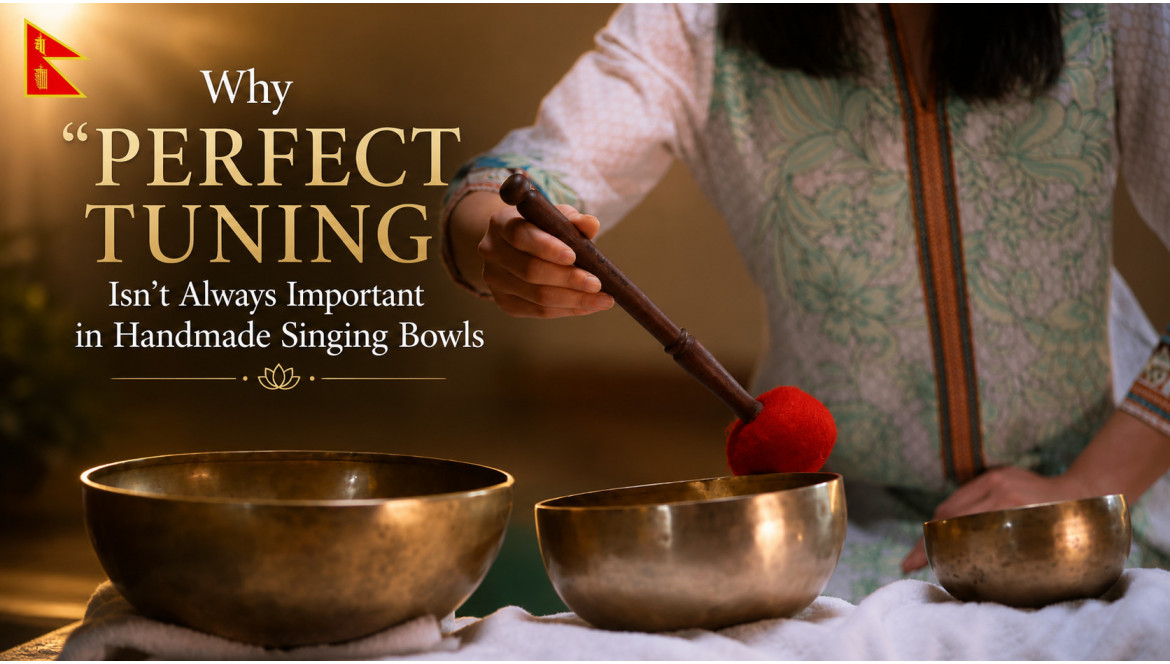
Tibetan singing bowls are handcrafted metal bowls traditionally made from a blend of metals. When struck or rimmed with a mallet, they produce rich, layered tones and physical vibrations that can be felt as well as heard.
These handcrafted singing bowls are especially valued for their complex overtones and deep resonance.
2. How Vibration Affects the Body
Two Things Happen at Once
When a singing bowl is played near or on the body, sound enters through the ears while vibration is felt through tissue.
The body conducts low-frequency vibration efficiently, producing a physical sensation often described as warmth or gentle buzzing.
The Vibroacoustic Therapy Connection
The closest real-world experience to this is a sound bath, where sound and vibration are used together to promote relaxation.
In simple terms: the vibrations may help the body relax and shift into a calmer state.
3. How Singing Bowls Affect the Brain
The brain operates in different frequency states depending on activity, from stress to deep meditation.
Research suggests that listening to singing bowls may support a shift toward calmer brain states.
4. The Nervous System Shift
The body operates in two modes: stress (sympathetic) and recovery (parasympathetic).
Studies suggest that sound-based relaxation practices can help shift the body toward recovery mode.
Heart Rate Variability (HRV)
HRV is a key marker of stress resilience and nervous system flexibility.
In simple terms: after a session, the body becomes more relaxed and adaptable.
5. The Psychology of Sound Healing
- Focused attention reduces mental noise
- Calm environments signal safety
- Expectation enhances relaxation
6. What Clinical Research Shows
- Anxiety reduction
- Improved mood
- Short-term pain relief
- Better sleep indicators
Important: most studies are small and short-term.
7. What Research Suggests—and What It Does Not Support
| Claim | Evidence Status | What to Know |
|---|---|---|
| May reduce anxiety and tension | Observed in some studies | Evidence is promising but limited |
| May support relaxation | Observed in some studies | Common short-term finding |
| May affect HRV | Observed in some studies | Short-term findings require more research |
| Specific frequencies heal organs | ✗ Not Supported | No scientific evidence |
8. Does the Type of Bowl Matter?
Yes. handcrafted singing bowls typically produce richer and more complex sound compared to machine-made alternatives.
10. FAQ
Do singing bowls really work?
They may support short-term relaxation for some people, but results vary and the evidence base remains limited.
Can they cure diseases?
No, they are not a replacement for medical treatment.
Medical Disclaimer
This article is for informational purposes only and does not replace professional medical advice.
References and Evidence Limits
A 2025 systematic review identified 19 clinical studies published through July 2024. It also rated all included randomized trials as having a high risk of bias and found substantial variation in populations, methods and outcomes. These sources therefore support cautious discussion of short-term relaxation-related observations, not general medical claims.
- Therapeutic effects of singing bowls: a systematic review of clinical studies (2025).
- Acute relaxation response induced by Tibetan singing bowl sounds (randomized trial, 2023; 50 nonclinical participants).
- Effects of singing bowl exposure on subjective and objective sleepiness (randomized crossover study, 2020).
- Effects of singing bowl sound meditation on mood, tension and well-being (observational study, 2017).
Evidence note: study design matters. An observational before-and-after result cannot by itself show that the bowls caused the change, and findings from a small or specialized sample should not be generalized to medical treatment.
In Same Category
- Can You Place Singing Bowls on the Body? Safety and Best Practice
- Om Sajan Healing Center and Museum: Inside Kathmandu's Three-Floor Singing Bowl Sanctuary
- Handmade vs Machine-Made Singing Bowls: Key Differences
- Singing Bowl Mallet Guide: How to Choose the Right Mallet
- Why Do Tingshas Sound So Sharp and Clear?


Comments
No comment at this time!
Leave your comment