


ไม่ใช่ Singing Bowl ทุกใบที่มาจากเนปาล
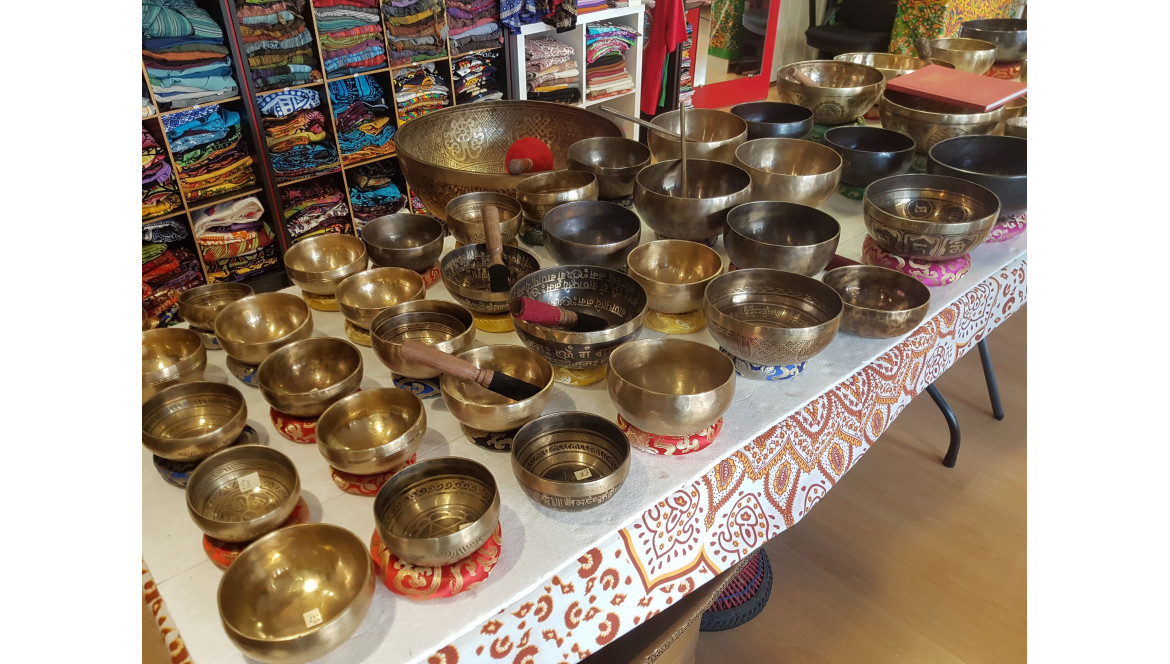
การเดินสำรวจร้านค้าต่าง ๆ ในอูบุดทำให้พบว่า Singing Bowl หลายใบมีน้ำหนักเบาเกินไปและเสียงดับเร็วเกินไป และภาพนี้ก็สอดคล้องกับตลาดทั่วโลกที่มี Singing Bowl จำนวนมากขึ้นเรื่อย ๆ ซึ่งวางขายในชื่อสินค้าจากเนปาล ทิเบต หรือหิมาลัย ทั้งที่จริงแล้วเป็นชามทองเหลืองหรืออะลูมิเนียมที่ผลิตในอินเดียหรือจีน มาดูกันว่าอะไรคือความแตกต่างระหว่างสินค้าเหล่านี้กับบรอนซ์เบลเมทัลแท้ และจะตรวจสอบได้อย่างไรเมื่ออยู่ในร้าน
ในการเดินทางไปบาหลีเมื่อไม่นานมานี้ ชามร้องมีอยู่ทุกที่ ร้านค้าในอูบุดแทบทุกร้านมีชามวางเรียงบนชั้นและโต๊ะ และหลังจากหยิบชามในร้านต่าง ๆ หกเจ็ดร้าน รูปแบบหนึ่งก็เริ่มชัดเจนขึ้น ชามเหล่านั้นเบามาก เบาจนแทบไม่มีน้ำหนักจริงในมือ และเมื่อเคาะแล้วเสียงก็ดับลงอย่างรวดเร็ว แทนที่จะก่อตัวเป็นเสียงที่ซ้อนทับกันและก้องนานอย่างที่ชามร้องที่ดีควรจะเป็น ไม่มีชามใดที่รู้สึกว่ามาจากโรงงานในกาฐมาณฑุ
ความรู้สึกนั้นกลับสอดคล้องกับความเป็นจริงที่ใหญ่กว่าการเดินทางครั้งเดียวมากนัก ชามร้องที่ขายทั่วโลกในปัจจุบันจำนวนมากขึ้น รวมถึงที่ทำการตลาดว่าเป็นผลิตภัณฑ์จากเนปาล ทิเบต หรือหิมาลัย ถูกผลิตในที่อื่นโดยสิ้นเชิง ด้วยโลหะต่างชนิดและกระบวนการต่างกัน และส่วนใหญ่ไม่มีความเชื่อมโยงกับเนปาลเลย
ในบทความนี้
- ชามร้องเนปาลแท้คืออะไร
- ชามที่ไม่ใช่บรอนซ์
- ชามเหล่านี้ผลิตที่ไหนจริง ๆ
- ทำไมสิ่งนี้จึงปรากฏชัดในสถานที่อย่างบาหลี
- สิ่งนี้หมายความว่าอะไรสำหรับช่างทำชามตัวจริงในเนปาล
- วิธีบอกว่าคุณถืออะไรอยู่จริง ๆ
- คำถามที่พบบ่อย
- บทสรุป
ชามร้องเนปาลแท้คืออะไร
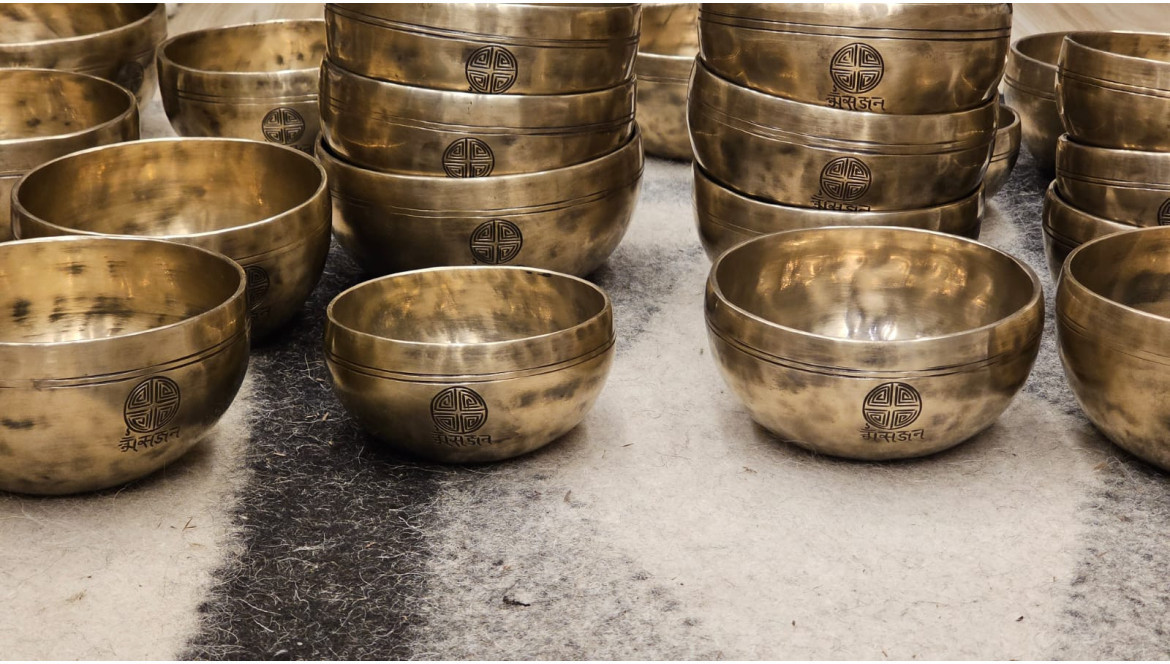
ชามร้องแบบดั้งเดิมที่ตีด้วยมือทำจากบรอนซ์โลหะระฆัง ซึ่งเป็นโลหะผสมของทองแดงประมาณ 78 เปอร์เซ็นต์และดีบุกประมาณ 22 เปอร์เซ็นต์ อัตราส่วนเฉพาะนั้นคือสิ่งที่ให้ความลึกแก่ชามแท้ เคาะครั้งเดียวแล้วเสียงไม่ได้แค่ดังและหยุด แต่จะก่อตัวขึ้นพร้อมเสียงโอเวอร์โทนที่ซ้อนทับกันและก้องอยู่ในอากาศนาน น้ำหนักก็สำคัญเช่นกัน บรอนซ์มีความหนาแน่นสูง ดังนั้นชามแท้ที่ตีด้วยมือจึงมีน้ำหนักที่แน่นและหนักจริง ๆ ซึ่งถูกขึ้นรูปด้วยการตีหลายชั่วโมงโดยช่างฝีมือที่ผ่านการฝึกฝน
การผสมผสานระหว่างโลหะผสมบรอนซ์และการตีด้วยมือนั้นยากและใช้เวลานานมากในการจำลอง นั่นคือเหตุผลที่มักถูกข้ามไปบ่อยนัก
ชามที่ไม่ใช่บรอนซ์
ชามร้องที่ขายในปัจจุบันจำนวนมากแท้จริงแล้วเป็นทองเหลือง ซึ่งเป็นโลหะผสมของทองแดงและสังกะสีแทนที่จะเป็นทองแดงและดีบุก ทองเหลืองเบากว่า ราคาถูกกว่า และง่ายต่อการหล่อและขึ้นรูปด้วยเครื่องจักร แต่ให้การตอบสนองที่แตกต่างกันมากเมื่อเคาะ เสียงจะสว่างกว่าและเรียบง่ายกว่า ดับเร็วกว่ามาก และไม่ก่อตัวในแบบเดียวกับบรอนซ์ ล่าสุดยังมีชามประเภทที่เบากว่าเข้ามาในตลาด ได้แก่ ชามอะลูมิเนียม ซึ่งบางครั้งขายในชื่อชามวัด หรือชามสมาธิ ชามเหล่านี้เบาอย่างเห็นได้ชัด ให้เสียงที่สูงกว่า บางกว่า และมีเสียงโลหะมากกว่า และดับเร็วกว่าบรอนซ์
ไม่มีสิ่งใดทำให้ชามทองเหลืองหรืออะลูมิเนียมเป็นของปลอมในตัวเอง ต่างเป็นผลิตภัณฑ์ที่ถูกต้องและราคาไม่แพงในสิทธิ์ของตัวเอง ปัญหาคือบ่อยแค่ไหนที่ชามเหล่านี้ถูกขายและตั้งราคาราวกับว่าเป็นบรอนซ์เนปาลที่ตีด้วยมือของจริง โดยไม่มีการกล่าวถึงโลหะหรือวิธีการที่ใช้จริง
ชามเหล่านี้ผลิตที่ไหนจริง ๆ
มีสองประเทศที่โดดเด่นในที่นี้ และไม่มีประเทศใดเป็นเนปาล
อินเดียมีอุตสาหกรรมการผลิตและส่งออกชามร้องทองเหลืองขนาดใหญ่ที่มีการจัดตั้งอย่างดี โดยมีศูนย์กลางอยู่ที่เมืองต่าง ๆ เช่น ชัยปุระ โมราดาบัด และบางส่วนของเบงกอลตะวันตก นี่ไม่ใช่การค้าที่ซ่อนเร้นหรือไม่เป็นทางการ รายการขายส่งโฆษณาชามทองเหลืองอย่างเปิดเผยในราคาเพียงไม่กี่ดอลลาร์ต่อชิ้น และผู้ส่งออกอินเดียบางรายขายสายผลิตภัณฑ์ "ทำด้วยเครื่องจักร" ควบคู่กับสายทำด้วยมือแยกต่างหาก เป็นธุรกิจส่งออกจริง ปริมาณสูง สร้างขึ้นโดยเฉพาะเพื่อจัดหาให้กับตลาดสุขภาพและของที่ระลึกทั่วโลกในราคาต่ำ
จีนเป็นแหล่งสำคัญอีกแหล่งหนึ่ง โดยเฉพาะสำหรับชามที่ออกแบบมาเพื่อเลียนแบบรูปลักษณ์ของชามร้องทิเบตดั้งเดิมอย่างใกล้ชิด ชามเหล่านี้มักผลิตจากโลหะผสมหรือโลหะคุณภาพต่ำแทนที่จะเป็นบรอนซ์โลหะระฆังจริง สร้างขึ้นให้คล้ายคลึงกับของจริงพอที่จะผ่านการมองแวบเดียว ในขณะที่มีต้นทุนเพียงส่วนเล็กน้อยของที่ต้องใช้ในการทำชามแท้ที่ตีด้วยมือ
ระหว่างสองแหล่งนี้ สัดส่วนที่มีนัยสำคัญและเพิ่มขึ้นของชามร้องที่หมุนเวียนทั่วโลก โดยเฉพาะในตลาดที่มุ่งเน้นนักท่องเที่ยว ไม่เคยสัมผัสเนปาลเลยในกระบวนการผลิต
ทำไมสิ่งนี้จึงปรากฏชัดในสถานที่อย่างบาหลี
บาหลี และโดยเฉพาะอูบุด ได้กลายเป็นศูนย์กลางสำคัญแห่งหนึ่งของโลกสำหรับการท่องเที่ยวด้านโยคะ สุขภาพ และจิตวิญญาณ ซึ่งหมายถึงความต้องการชามร้องอย่างมากจากนักท่องเที่ยวที่ต้องการเครื่องมือสมาธิหรือการบำบัดด้วยเสียงเพื่อนำกลับบ้าน ผู้ซื้อส่วนใหญ่ไม่มีวิธีปฏิบัติในการตัดสินองค์ประกอบของโลหะหรือแหล่งกำเนิดขณะยืนอยู่ในร้าน พวกเขาพึ่งพาเพียงรูปลักษณ์ของชาม ความรู้สึกของร้าน และสิ่งที่ผู้ขายบอกพวกเขา ซึ่งเป็นเงื่อนไขที่ชามนำเข้าราคาถูกต้องการเพื่อขายในราคาสูงกว่าความเป็นจริง
นี่ไม่ใช่ความกังวลใหม่หรือซ่อนเร้นเช่นกัน ก่อนการเดินทางครั้งนี้นานมาแล้ว นักท่องเที่ยวที่เปรียบเทียบประสบการณ์การซื้อชามร้องในอูบุดต่างเตือนกันเกี่ยวกับสิ่งที่พวกเขาเรียกว่าชาม "โลหะตาย" ที่หมุนเวียนในตลาด ชามที่ดูดีแต่ไม่มีเสียงดี
สิ่งนี้หมายความว่าอะไรสำหรับช่างทำชามตัวจริงในเนปาล
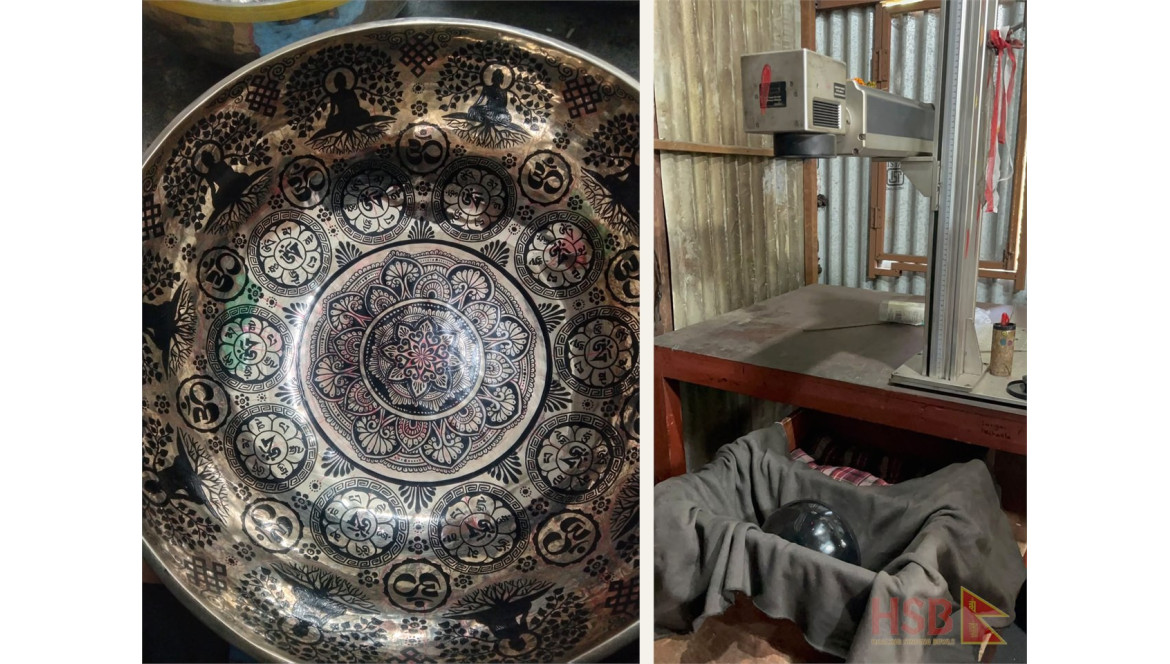
นี่เป็นแรงกดดันที่แตกต่างจากที่กล่าวถึงในที่อื่นในชุดนี้ การแกะสลักด้วยเลเซอร์และโลหะที่เตรียมด้วยเครื่องจักรกำลังเปลี่ยนแปลงวิธีการผลิตชามในเนปาล แต่ก็ยังคงเป็นชามเนปาลที่ทำโดยมือชาวเนปาล นี่คือสิ่งที่แตกต่างออกไป ผลิตภัณฑ์ที่แตกต่างอย่างสิ้นเชิง ทำในประเทศอื่นจากโลหะต่างชนิด ขายภายใต้ชื่อเดียวกัน และมักในราคาที่ทำให้ชามแท้ที่ตีด้วยมือแข่งขันได้ยาก สินค้านำเข้าราคาถูกทุกชิ้นที่ขายในชื่อ "ของแท้" กัดกร่อนความต้องการของสิ่งที่แท้จริงทีละน้อย และกัดกร่อนความไว้วางใจของผู้ซื้อในครั้งต่อไปที่พวกเขาเห็นคำว่าเนปาลบนฉลาก
วิธีบอกว่าคุณถืออะไรอยู่จริง ๆ
- น้ำหนัก ยกขึ้นมา บรอนซ์มีน้ำหนักจริง ถ้าชามรู้สึกเบาอย่างน่าแปลกใจสำหรับขนาดของมัน นั่นคือเบาะแสแรกที่ชัดเจน
- เสียง เคาะแล้วฟังหลังจากวินาทีแรก ชามบรอนซ์แท้ก่อตัวเป็นความซับซ้อนและก้องนาน ชามทองเหลืองหรืออะลูมิเนียมมักดังแบบเรียบง่ายครั้งเดียวและดับเร็ว
- พื้นผิว ชามที่ตีด้วยมือมีความไม่สม่ำเสมอตามธรรมชาติเล็กน้อย พื้นผิวที่เรียบสมบูรณ์แบบและสมมาตร บางครั้งมีรอยกลมเล็ก ๆ จากกลึง บ่งชี้ถึงชิ้นงานที่ผลิตด้วยเครื่องจักร
- ถามตรง ๆ โลหะนี้คืออะไร และทำที่ไหน ผู้ขายที่ตอบได้ชัดเจนและเฉพาะเจาะจงเป็นสัญญาณที่ดี คำตอบที่คลุมเครือไม่ใช่
คำถามที่พบบ่อย
ชามร้องทั้งหมดมาจากเนปาลหรือไม่?
ไม่ ชามร้องที่ขายในปัจจุบันจำนวนมาก รวมถึงหลายชิ้นที่ทำการตลาดว่าเป็นของเนปาลหรือทิเบต ถูกผลิตในอินเดียหรือจีนจากทองเหลืองหรือโลหะเบากว่าแทนที่จะเป็นบรอนซ์โลหะระฆังดั้งเดิม
ความแตกต่างระหว่างชามร้องทองเหลืองและบรอนซ์คืออะไร?
ชามร้องบรอนซ์ทำจากทองแดงและดีบุก มักตีด้วยมือ ให้เสียงที่ลึก หลายชั้น และคงอยู่นาน ชามทองเหลืองทำจากทองแดงและสังกะสี มักหล่อด้วยเครื่องจักรหรือกลึง ให้เสียงที่สว่างกว่า เรียบง่ายกว่า และดับเร็วกว่า
ชามร้องอะลูมิเนียมแย่หรือไม่?
ไม่จำเป็น ชามเหล่านี้เป็นตัวเลือกที่เบาและราคาไม่แพงที่ถูกต้อง ปัญหาคือเมื่อขายหรือตั้งราคาราวกับว่าเป็นชามบรอนซ์ที่ตีด้วยมือโดยไม่เปิดเผยวัสดุ
ฉันจะรู้ได้อย่างไรว่าชามร้องเป็นของแท้?
ตรวจสอบน้ำหนัก ฟังเสียงที่ซ้อนทับกันและก้องนานแทนที่จะเป็นเสียงสั้นเรียบ มองหาความไม่สม่ำเสมอของพื้นผิวเล็กน้อยจากการตีด้วยมือ และถามผู้ขายโดยตรงเกี่ยวกับโลหะและแหล่งกำเนิด
บทสรุป
ชามทองเหลืองและอะลูมิเนียมไม่ใช่ปัญหาในตัวเอง เป็นผลิตภัณฑ์ที่ซื่อสัตย์ในราคาที่ซื่อสัตย์เมื่อขายตามที่เป็น ปัญหาคือตลาดที่มองเห็นได้ชัดเจนในสถานที่อย่างบาหลี ซึ่งผลิตภัณฑ์ที่ผลิตจำนวนมากที่แตกต่างกันอย่างสิ้นเชิงถูกขายภายใต้ชื่อและความคาดหวังเดียวกับชามเนปาลที่ตีด้วยมือของจริง การรู้ความแตกต่าง ด้วยน้ำหนัก ด้วยเสียง และด้วยการถามคำถามตรง ๆ คือวิธีที่ง่ายที่สุดในการให้แน่ใจว่าชามที่นำกลับบ้านในกระเป๋าของคุณคือสิ่งที่คุณคิดว่ากำลังซื้ออยู่จริง ๆ
In Same Category
- เจาะลึกอุตสาหกรรมตกแต่งผิวขันร้องในกาฐมาณฑุ
- ขันเสียงทำจากโลหะ 7 ชนิดจริงหรือไม่? ไขความจริงแบบเข้าใจง่าย
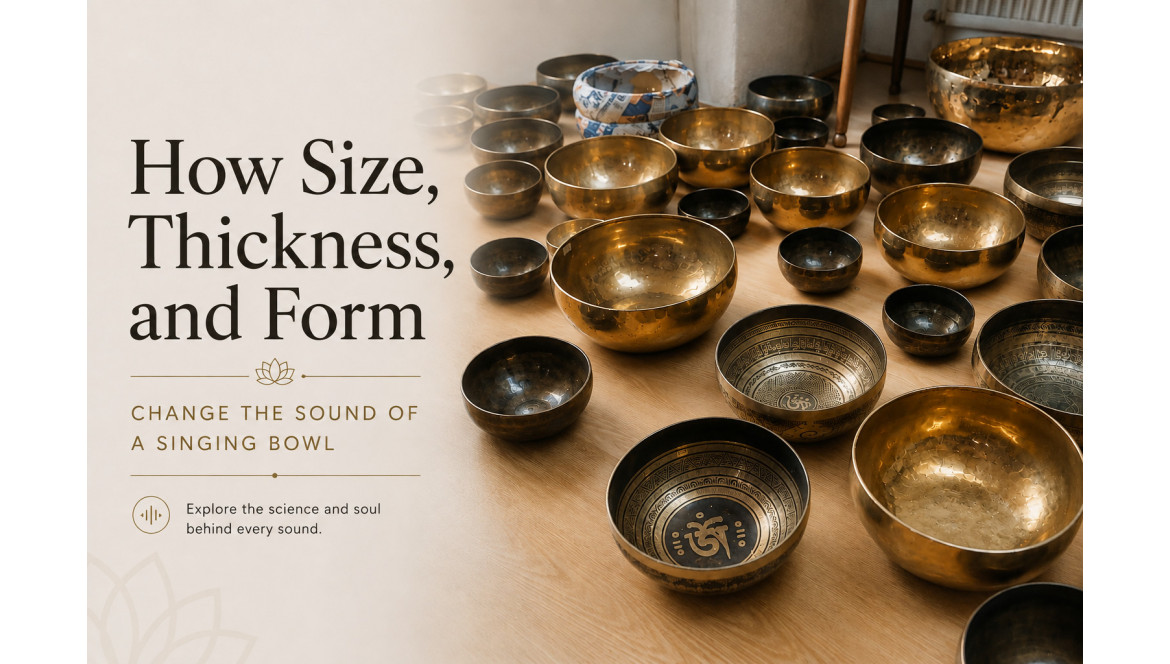
- ขนาด ความหนา และรูปทรงเปลี่ยนเสียงของชามร้องเพลง (Singing Bowl) ได้อย่างไร
- การปฏิวัติเลเซอร์: การแกะสลักด้วยเครื่องจักรกำลังเข้ามาแทนที่ประเพณีชามร้องแกะสลักด้วยมือของเนปาลอย่างเงียบๆ
- ระฆังบำบัดเสียงที่ตีขึ้นด้วยมือ: ขั้นตอนที่เครื่องจักรเข้ามาแทนที่


Comments
No comment at this time!
Leave your comment